Breakfast is more than the first meal of the day in Lebanese culture. It is a time to gather, share stories, and begin the morning with wholesome, flavorful food. Across Lebanon and throughout cosmopolitan cities like Dubai, Lebanese breakfast traditions remain strong, weaving together ancient recipes, regional ingredients, and modern creativity. From aromatic baked breads to creamy dairy dishes and fresh herbs, every plate offers a connection to the Levant’s rich culinary heritage.
Whether you are planning a trip to the Middle East or simply curious about global flavors, exploring Lebanese breakfast is a delicious way to understand the country’s food culture. Below you will find classic dishes, modern variations, and insider tips on enjoying a Lebanese morning feast.
The Heart of Lebanese Breakfast
Lebanese mornings revolve around fresh bread, fragrant herbs, olives, and simple yet nourishing ingredients. Families often share several small plates instead of one large dish. This encourages conversation and creates a sense of togetherness. Meals are designed to be both satisfying and healthy, relying on olive oil, vegetables, legumes, and dairy rather than heavy meats or fried foods.
A typical spread might include warm manakish, bowls of creamy labneh, plates of sliced cucumber and tomato, and a drizzle of golden local honey. Add olives, mint leaves, and a cup of strong black tea or Arabic coffee and you have the perfect Lebanese breakfast table.
Manakish: The Iconic Lebanese Flatbread
If one dish represents the Lebanese morning, it is manakish. This round, soft flatbread is often compared to pizza but has its own distinct character. The dough is stretched, brushed with olive oil, and topped with a mixture of zaatar (thyme, sesame seeds, and sumac) before being baked to golden perfection.
Manakish can also be filled with cheese, minced meat, or a blend of vegetables. Some families prepare it plain and serve it alongside labneh or hummus. Its versatility and comforting flavor make it a staple in homes and bakeries alike. When traveling in Lebanon or Lebanese neighborhoods abroad, you will notice the enticing aroma of manakish wafting from street-side ovens early each morning.
Tip: Enjoy manakish hot from the oven with a drizzle of extra virgin olive oil for a classic experience. Pair it with a cup of fresh mint tea to balance the earthy zaatar flavors.
Labneh: Creamy, Tangy Perfection
No Lebanese breakfast is complete without labneh, a thick, strained yogurt that sits somewhere between Greek yogurt and soft cheese. Smooth, slightly tangy, and rich in probiotics, labneh is both nourishing and refreshing.
Families serve it in shallow bowls topped with a swirl of olive oil and a sprinkle of dried mint or zaatar. It is typically eaten with warm bread, though some prefer to add cucumbers, tomatoes, or even a drizzle of honey for a sweet touch.
Labneh is also remarkably healthy. High in protein and calcium yet lower in lactose than regular yogurt, it provides lasting energy without heaviness. Many travelers fall in love with labneh at first taste and seek it out long after their trip.
Foul Medames: Slow-Cooked Fava Beans
While often associated with Egypt, foul medames is equally beloved in Lebanon, especially for breakfast. This hearty dish features fava beans simmered until tender, then mashed with olive oil, lemon juice, garlic, and cumin. Served warm and topped with fresh parsley and diced tomato, it offers a comforting, protein-rich start to the day.
Lebanese families enjoy foul with fresh pita bread, sometimes adding a drizzle of tahini for extra creaminess. Its earthy flavor and satisfying texture make it a favorite for those who prefer a substantial morning meal.
Balila: Chickpeas with a Lemon-Garlic Kick
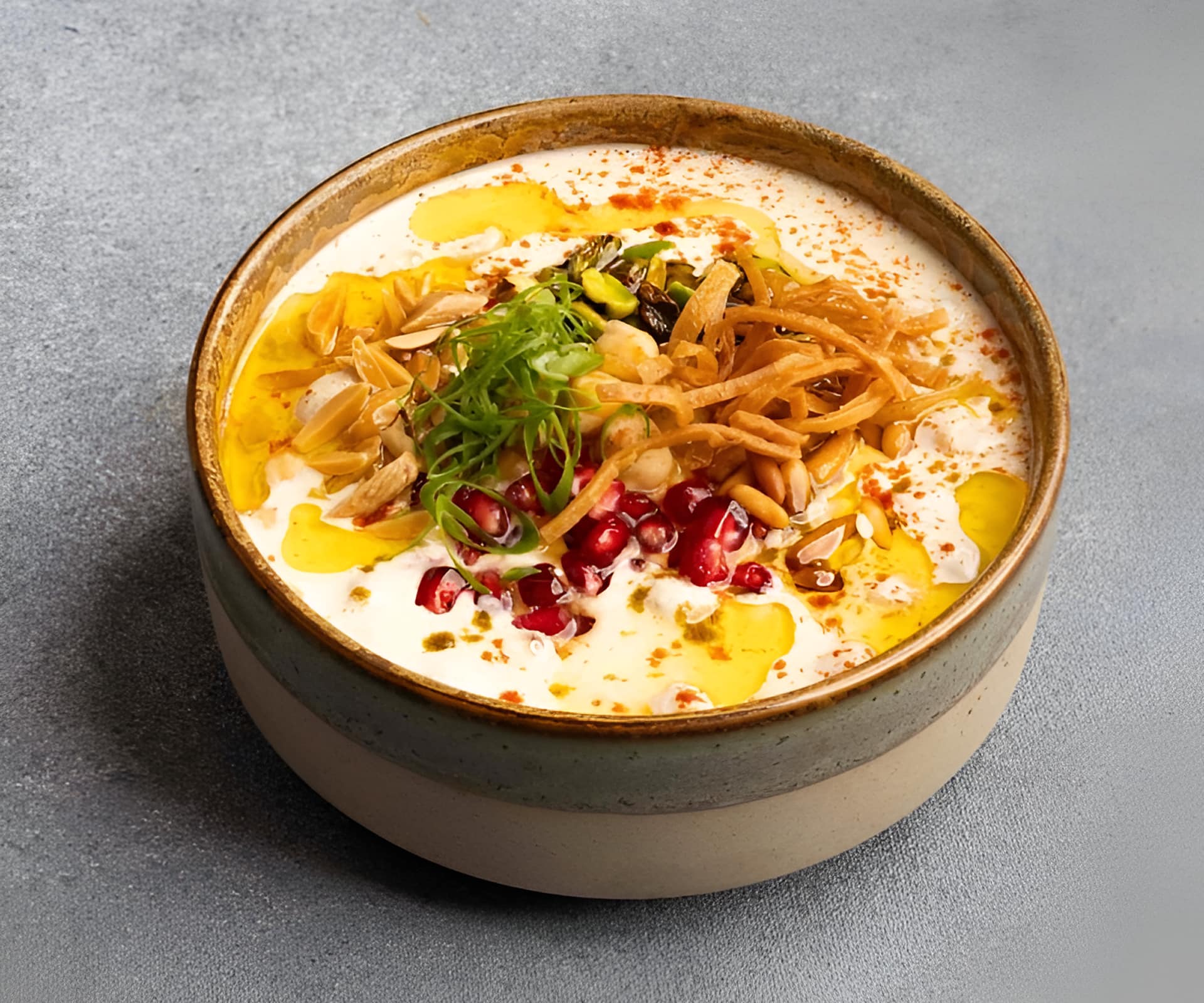
Another pulse-based star of the Lebanese breakfast table is balila, a simple yet flavorful dish of warm chickpeas. Cooked until soft and seasoned with garlic, lemon juice, cumin, and olive oil, balila proves that humble ingredients can create extraordinary flavor.
Served with pita bread and fresh vegetables, balila is naturally vegan, high in fiber, and full of plant-based protein. A squeeze of extra lemon or a pinch of chili powder adds a pleasant zing for those who like a bit of heat in the morning.
Fresh Vegetables and Herbs
A Lebanese breakfast always includes an assortment of seasonal vegetables and herbs. Sliced cucumber, tomato, radish, and bell pepper add color and crunch. Fresh mint leaves, parsley, and arugula bring an aromatic lift that balances creamy and savory dishes.
These raw accompaniments reflect the Mediterranean diet’s emphasis on freshness and balance. They also allow diners to customize each bite—wrapping vegetables and herbs in bread with labneh or hummus for refreshing flavor combinations.
Cheese Varieties: Akkawi, Halloumi, and Beyond
Cheese plays a prominent role in Lebanese mornings. Soft white cheeses such as akkawi provide a mild, salty note that pairs beautifully with bread and olives. Halloumi, with its firm texture and high melting point, is often grilled or lightly fried until golden, releasing a delightful squeak with each bite.
These cheeses are enjoyed alongside fruit, honey, or fresh greens, offering a satisfying contrast of savory and sweet. For travelers, sampling local cheeses is an excellent way to appreciate Lebanon’s dairy traditions and regional diversity.
Olives and Olive Oil: Liquid Gold of the Levant
Olives and their oil are central to Lebanese cuisine, and breakfast is no exception. Bowls of green and black olives, sometimes marinated with herbs and lemon, sit on nearly every breakfast table. Olive oil, known as liquid gold, is drizzled generously over labneh, manakish, and salads.
This tradition is both flavorful and healthy. Rich in heart-friendly fats and antioxidants, Lebanese olive oil enhances every dish while providing essential nutrients. Visitors often remark on the distinctive fruity aroma of freshly pressed local oils.
Sweet Touches: Honey, Jams, and Fresh Fruit
Although Lebanese breakfasts lean savory, a gentle sweetness balances the spread. Local honey, often from wildflowers or citrus groves, is drizzled over bread or labneh. Homemade jams—fig, apricot, or rose petal—bring seasonal fruit to the table year-round.
Fresh fruit such as figs, grapes, and pomegranate seeds adds color and natural sweetness. These small touches round out the meal and provide a refreshing finish.
Beverages: Tea, Coffee, and Fresh Juices
Traditional black tea with fresh mint is the most common morning drink, offering a soothing start to the day. Strong Arabic coffee, brewed with cardamom, is another favorite for those seeking a caffeine boost.
In warmer months, many enjoy fresh juices—orange, pomegranate, or carrot—prepared with seasonal produce. These beverages complement the savory dishes while adding vibrant color to the breakfast table.
Modern Twists on a Timeless Tradition
While tradition remains central, Lebanese chefs and home cooks are not afraid to innovate. In bustling cities like Beirut and Dubai, you may find manakish topped with sun-dried tomatoes, labneh infused with roasted garlic, or halloumi paired with contemporary condiments like balsamic glaze.
Health-conscious diners might encounter whole-grain manakish, plant-based cheese alternatives, or smoothie bowls featuring regional fruits like dates and figs. These updates keep Lebanese breakfast relevant to modern tastes while celebrating its classic roots.
Cultural Significance
Lebanese breakfast is about more than food. It reflects the country’s values of hospitality, community, and respect for nature. Families gather around the table not only to eat but to connect before the day begins. Offering guests a generous breakfast spread is a symbol of welcome and friendship.
Even in fast-paced urban settings, many Lebanese people make time to share a morning meal on weekends, keeping these traditions alive. Visitors who join a family breakfast often remark on the warmth and sense of belonging it creates.
Tips for Enjoying a Lebanese Breakfast Anywhere
Start with quality bread. Fresh pita or flatbread is essential. If you cannot find manakish nearby, warm pita in the oven and brush it with olive oil and zaatar.
Balance flavors. Combine creamy, tangy labneh with crisp vegetables and briny olives for a mix of textures and tastes.
Use good olive oil. A drizzle of extra virgin olive oil enhances every dish and captures the authentic flavor of Lebanon.
Serve family-style. Arrange dishes on a large table and encourage everyone to share. Lebanese breakfast is meant for conversation and connection.
Experiment. Add seasonal fruits or herbs, try different cheeses, or incorporate local ingredients from your region to create your own twist.
Bringing the Experience Home
You don’t need to travel to enjoy a Lebanese breakfast. Many ingredients—olive oil, yogurt, chickpeas, and fresh herbs—are widely available. By combining these basics, you can recreate a taste of the Levant in your own kitchen.
Prepare manakish dough the night before for a quick morning bake. Strain regular yogurt overnight through cheesecloth to make homemade labneh. Roast chickpeas with garlic and lemon for a simple balila. These small steps bring the warmth of Lebanese hospitality to any home.
Conclusion:
A Lebanese breakfast celebrates hospitality and timeless flavor. From warm manakish with fragrant zaatar to creamy labneh, foul medames, and balila, every bite reflects Middle Eastern heritage. Fresh herbs, olives, and golden olive oil add balance and brightness, while soft cheeses and seasonal fruit complete the feast. Sharing these dishes creates connection and comfort beyond the table. In Dubai, Babati offers this authentic experience and more, serving traditional Middle Eastern food and Lebanese main dishes like grilled kebabs, freekeh with lamb, and slow-cooked stews. Call +971 4 287 9544 to savor rich tradition with modern flair.
Frequently Asked Questions
What makes the Lebanese breakfast unique?
Lebanese breakfast highlights fresh ingredients and shared plates. From warm manakish with zaatar to creamy labneh and hearty chickpeas, every item reflects Middle Eastern heritage, encouraging conversation and connection while offering balanced nutrition with herbs, olive oil, and seasonal produce.
When is the best time to enjoy a Lebanese breakfast in Dubai?
Cooler months from November to March are ideal. Pleasant weather supports outdoor dining and food festivals, letting visitors savor classic dishes like manakish and labneh alongside modern twists, while enjoying Dubai’s vibrant culinary atmosphere and refreshing morning breezes.
Are vegetarian and vegan options easy to find?
Yes. Lebanese cuisine naturally includes many plant-based choices such as lentil soup, foul medames, balila, fresh vegetables, olives, and herb salads. Chefs adapt recipes for vegan or gluten-free needs while maintaining authentic flavors that stay true to Lebanese culinary traditions.
How does the Lebanese breakfast reflect sustainability?
Many kitchens source seasonal produce and local olive oil, reducing transport impact and supporting regional farmers. Dishes like labneh, manakish, and vegetable platters rely on fresh ingredients, emphasizing low-waste cooking and a Mediterranean diet that respects both environment and tradition.
What other Lebanese dishes complement breakfast?
Beyond morning staples, Lebanese cuisine offers grilled kebabs, freekeh with lamb, slow-cooked stews, and vibrant mezze spreads. These main dishes share the same balance of spices, olive oil, and fresh herbs, carrying breakfast flavors into satisfying lunches and dinners.