
Dubai has no shortage of restaurants. You can eat somewhere different every weekend for years and still miss half the city. Yet Lebanese restaurants keep pulling people back in a way trendier places often do not. Expats arrive from Europe, Asia, Africa, the US, everywhere really, and somehow many of them end up attached to Lebanese dining pretty quickly. Not just the food either. The whole atmosphere settles people down a bit. Shared plates, slower dinners, loud tables that somehow still feel cozy, warm bread landing fresh on the table before anyone even checks the menu properly. In a city that moves fast most days, Lebanese dining feels oddly grounding. That part sticks with people.
A Culture That Feels Like Home
For a lot of expats, comfort matters more than luxury after a while. Fancy places lose their novelty quickly if the atmosphere feels cold. Lebanese dining usually lands differently because people feel welcomed almost immediately, even during a first visit.
Guests Feel Comfortable Quickly
You notice the tone early on. Nobody hovers around the table trying to upsell every five minutes. Staff greet people properly, conversations move naturally, and the pace feels human instead of transactional.
That matters in Dubai more than people think. Expats spend years away from family routines and familiar dinners. Then they walk into a Lebanese restaurant and something about the energy feels familiar. Maybe it is the hospitality. Maybe it is the smell of grilled meat and garlic drifting through the room. Hard to explain exactly.
- Guests are usually greeted warmly instead of formally
- Meals begin at a slower pace without pressure
- Tables feel relaxed even during busy evenings
Sometimes the smallest details carry the most weight. Mint tea arriving before the food. Warm pita tearing open with steam still trapped inside. Somebody at the next table insisting everyone try one more mezze plate even though the table is already full.
Shared Dining Changes the Entire Mood
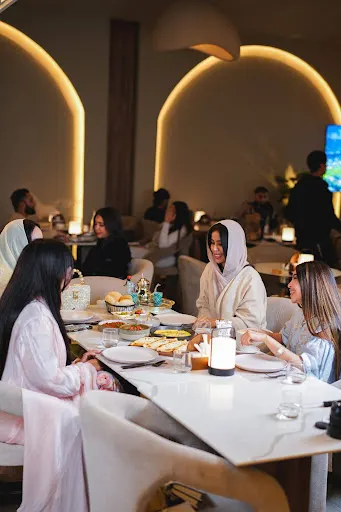
Lebanese food is built around sharing, which changes the energy immediately. Plates land in the middle of the table instead of staying isolated in front of one person. People lean across for bites. Conversations overlap naturally. Someone steals the last potato from the plate and suddenly everybody starts laughing over something stupid. It feels alive.
You notice people staying longer too. Nobody seems desperate to leave after eating. Dinner stretches comfortably. Another tea appears. Dessert somehow gets ordered despite everyone saying they were too full ten minutes earlier.
Dining Feels More Personal
Some restaurants in Dubai look incredible online but feel emotionally flat in person. Lebanese dining usually avoids that problem because the experience feels less staged.
Guests remember how the evening felt, not just how the food looked. Honestly, that is probably why people keep returning.
The Perfect Blend of Tradition and Modern Comfort
Dubai diners expect comfort. Lebanese restaurants manage to deliver that without stripping away culture completely. The traditional parts stay visible, but the experience still feels approachable even for people trying the cuisine for the first time.
Traditional Details Still Matter
Good Lebanese restaurants do not force culture aggressively. It shows up quietly instead. Lantern lighting. Arabic music low enough that conversations still matter more. Copper serving dishes. Patterns woven into the space naturally rather than turning the place into a themed attraction.
- Arabic music softens the atmosphere naturally
- Traditional serving styles encourage group dining
- Decor usually feels warm instead of overly polished
Babati handles this balance especially well. The restaurant feels elegant, but not in a stiff way. You can dress up for dinner or show up casually after work and neither feels awkward.
The Space Works for Different Moods
Some nights people want a proper dinner. Other nights they just need somewhere comfortable to sit, eat slowly, maybe order shisha and decompress for a while. Lebanese restaurants tend to adapt easily to both moods.
That flexibility matters in Dubai because schedules change constantly. A quick dinner suddenly turns into a long conversation. A casual meetup stretches past midnight. Lebanese dining almost expects evenings to unfold that way instead of trying to rush people through the experience.
Flavors That Leave a Lasting Impression
People often call Lebanese food “fresh,” which is true, but also undersells it a little. The flavors feel bright without becoming heavy. Rich without crossing into overwhelming territory.
Fresh Ingredients Actually Taste Like Something
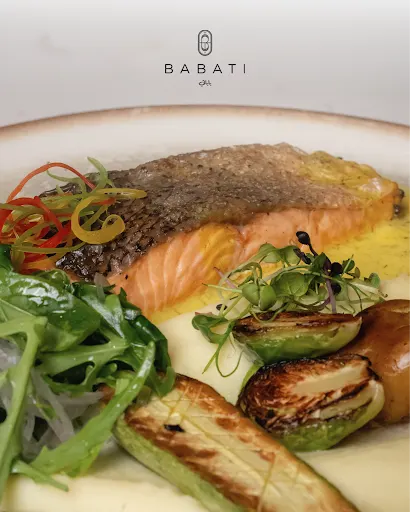
Parsley tastes sharp. Lemon cuts through grilled meat properly. Olive oil adds richness without making dishes greasy. Garlic lingers just enough. You can tell Lebanese cuisine depends heavily on ingredients being good on their own instead of hiding everything under thick sauces.
- Fresh herbs keep dishes tasting lighter
- Olive oil adds depth without heaviness
- Charcoal grilling gives food a smoky edge naturally
Even simple mezze plates feel satisfying in a way fast meals usually do not. Hummus with warm bread still hits differently when it arrives fresh. Especially when people are hungry enough to tear into it before the rest of the table settles down properly.
Variety Keeps the Meal Interesting
One thing expats seem to love about Lebanese dining is how much movement happens across the table. Cold mezze beside grilled meat. Crunchy fattoush next to creamy moutabal. Something smoky, something citrusy, something loaded with mint. No single bite tastes exactly like the previous one. That variety keeps dinners from feeling repetitive, even for people who eat Lebanese food often.
The Food Feels Generous
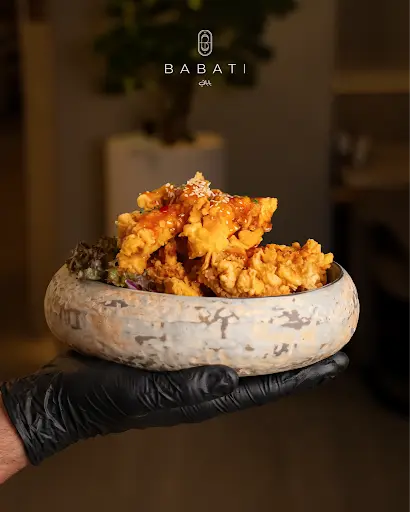
This part matters emotionally more than restaurants probably realize. Lebanese tables look abundant. Plates keep arriving. Meals feel welcoming instead of carefully rationed. Some modern restaurants serve tiny portions arranged perfectly for social media. Lebanese dining usually feels more generous than performative. People notice that difference immediately.
The Social Experience of Dining
Dubai is a social city underneath all the business energy. Expats build friendships through dinners, cafés, long evenings out. Lebanese restaurants fit naturally into that lifestyle because they are built around spending time together.
Meals Stretch Naturally Into Conversations
Nobody rushes Lebanese dinners. That is part of the appeal. People talk between bites, pause for tea, order another mezze unexpectedly, stay seated long after the plates are mostly empty. The meal becomes part of the evening instead of something squeezed into it.
- Shared plates encourage more conversation
- Guests usually stay longer without pressure
- The atmosphere supports slower evenings naturally
Honestly, in a city where people spend half the week racing between meetings and traffic, slower dinners feel necessary sometimes.
Shisha Changes the Rhythm Completely
For many expats, Lebanese dining and shisha naturally go together. Once shisha arrives, the entire table relaxes differently. Phones disappear for a while. Conversations drift into random directions. Someone starts telling a story that takes fifteen minutes longer than it probably should, but nobody minds because the atmosphere supports that slower pace.
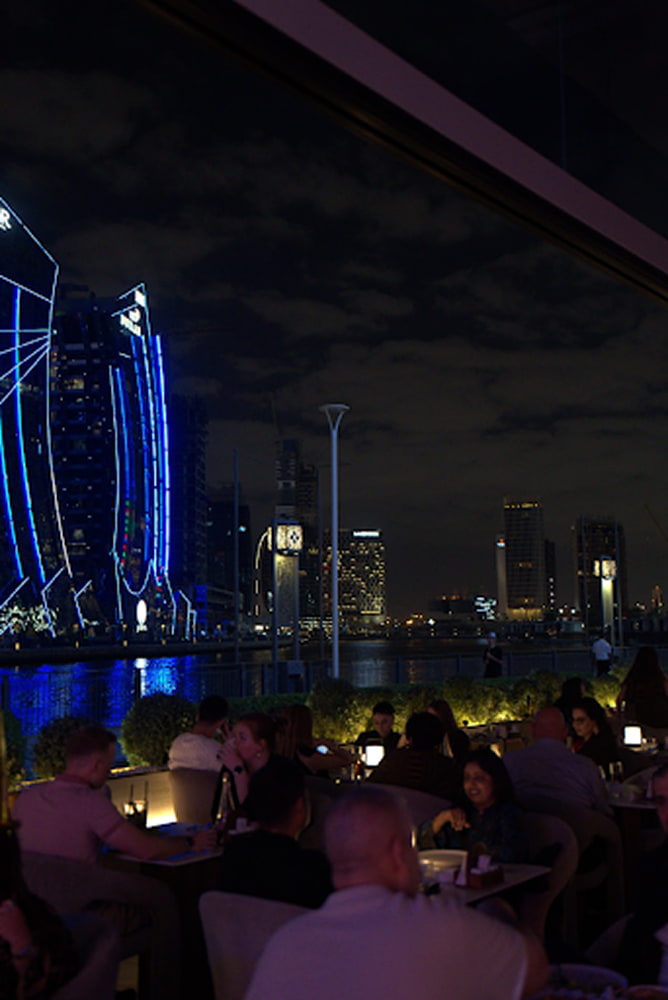
Tiny details start standing out too. Smoke curling upward near canal lights. Ice shifting inside mint lemonade glasses. The smell of apple or grape shisha mixing lightly with grilled food still lingering in the air. Those little sensory moments tend to stay with people longer than they expect.
A Connection to Culture and Heritage
One reason Lebanese dining works so well in Dubai is because it gives expats cultural connection without making them feel outside of it.
Tradition Feels Welcoming Instead of Intimidating
People do not need deep knowledge of Lebanese culture to enjoy the experience. The warmth carries the evening naturally.
Recipes often come from family traditions passed down over decades, and honestly, people can feel that authenticity. The food tastes connected to something real instead of designed only around trends.
- Traditional recipes still shape modern menus
- Cooking methods stay close to cultural roots
- Hospitality remains central to the experience
That consistency builds trust over time. Guests know what kind of atmosphere they are walking into.
The Atmosphere Completes the Experience
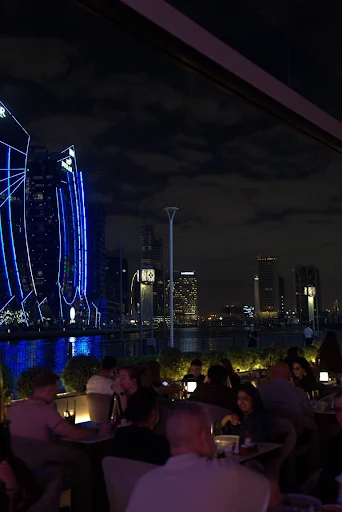
Food alone is not really why expats keep returning. Atmosphere finishes the picture. At Babati, waterfront views, warm lighting, slower pacing, and relaxed seating all work together quietly in the background. Nothing feels forced. Guests can settle into the evening properly without feeling rushed or overstimulated.
That emotional comfort matters a lot more than restaurants sometimes realize.
A Dining Experience Worth Returning To
People rarely become loyal to restaurants only because the food tastes good. Plenty of places serve good food. Lebanese dining stays memorable because the experience feels comforting, social, and easy to return to repeatedly without it losing charm.
Guests feel welcomed properly. Meals unfold slowly. Conversations last longer than planned. Fresh bread keeps arriving while nobody watches the clock too closely. In a city filled with trendy dining spots constantly competing for attention, Lebanese restaurants often win people over by doing something simpler. They make guests feel relaxed enough to stay awhile.
Why Lebanese Dining Keeps Pulling People Back
Some restaurants impress people once, then disappear into the background like every other trendy spot in Dubai. Lebanese dining usually works differently. The warmth stays with people. Shared plates, grilled food fresh off the charcoal, long conversations over shisha, music humming softly somewhere behind the table. Babati brings all of that together in a way that feels natural instead of overproduced. Whether guests come for dinner, waterfront evenings, or simply a slower atmosphere after a long day, the experience tends to linger. Contact Babati today and discover why so many expats in Dubai keep returning to Lebanese dining culture again and again.
Discover More: Why Outdoor Dining in Dubai Is Magical During Winter Months
FAQs
Why do expats get attached to Lebanese restaurants in Dubai?
Probably because the atmosphere feels lived-in instead of polished for show. People stay at the table longer, eat slowly, talk over each other a bit. It feels familiar surprisingly fast.
What makes Lebanese dining feel different from regular dinners?
Nobody really rushes. Plates keep moving around the table, somebody orders extra bread halfway through, conversations drift everywhere. Dinner feels less like a booking slot and more like an actual evening.
Why do people keep craving Lebanese food specifically?
The flavors stay clean and sharp. Lemon, charcoal smoke, garlic, mint, olive oil. You finish eating full, but not with that heavy regret some dinners leave behind afterward.
Why are Lebanese restaurants popular for friend groups?
Shared plates make everything easier. Nobody sits quietly waiting for their own meal. People taste different dishes, interrupt each other constantly, and the table usually gets louder as the night continues.
Why does shisha fit naturally into Lebanese evenings?
Because it slows people down without trying too hard. Someone pours another tea, conversations wander nowhere important, and suddenly two hours disappear without anybody checking the time much.