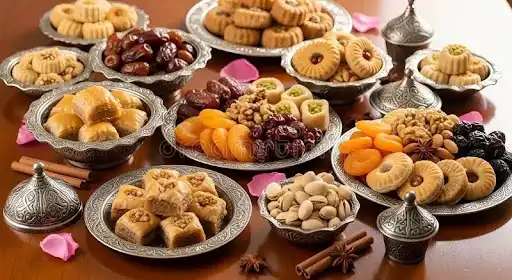
Arabic sweets are known for their rich flavours, delicate textures, and use of ingredients such as dates, pistachios, honey, and fragrant syrups. From crispy, syrup-soaked pastries to creamy puddings and traditional cheese-based desserts, exploring different Arabic sweets names offers a delicious introduction to the region’s culinary heritage. Whether you enjoy the sweetness of kunafa, the flaky layers of baklava, or other beloved Middle Eastern treats, each dessert has its own character and appeal.
Understanding a traditional Arabic sweets name also reveals the stories, ingredients, and culinary traditions behind these much-loved desserts. At Babati, you can explore Lebanese-inspired dining and enjoy sweet favourites such as warm kunafa, pistachio-filled baklava, and creamy ashta with rosewater syrup. Whether you are discovering Middle Eastern desserts for the first time or looking for a sweet finish to your next meal, Babati offers a welcoming setting to savour these regional flavours.
15 Popular Arabic Sweets Names and Their Flavours
Arabic desserts come in a wide variety of flavours, textures, and styles, from crispy pastries soaked in sugar syrup to soft milk puddings and date-filled cookies. Browsing Arabic sweets names and pictures is a great way to explore the region’s culinary traditions and discover which treats suit your taste. Here are 15 traditional Arabic sweets names, with their key ingredients and the flavours that make each one distinctive.
1. Kunafa (Knafeh)
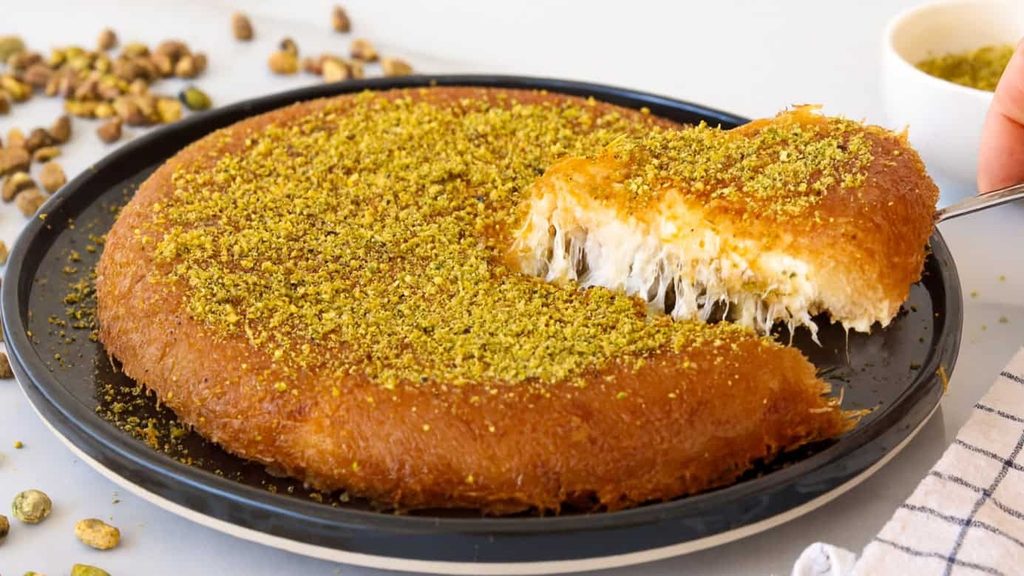
Kunafa, also spelled Knafeh, is one of the best-known Middle Eastern desserts. It is commonly prepared with shredded filo pastry or fine semolina dough, layered with soft cheese or cream, baked until golden, and finished with sugar syrup. Crushed pistachios often provide a colourful garnish. Its defining contrast is the crispy exterior and warm, soft filling, with a sweet, buttery flavour.
2. Baklava
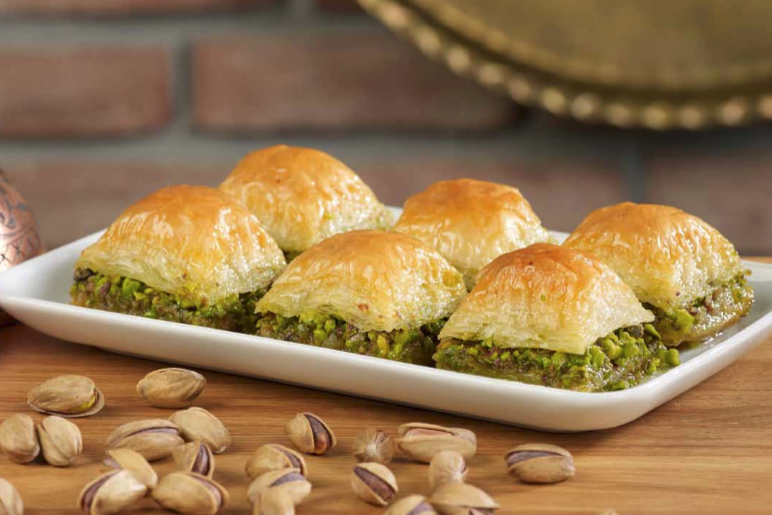
Baklava is a layered pastry dessert made with thin filo sheets, chopped pistachios or walnuts, butter, and sweet syrup. Popular across the Middle East and Mediterranean, it is known for its crisp, flaky layers and rich nutty filling. Depending on the recipe, the syrup may contain rosewater or orange blossom water, adding a delicate floral note.
3. Maamoul
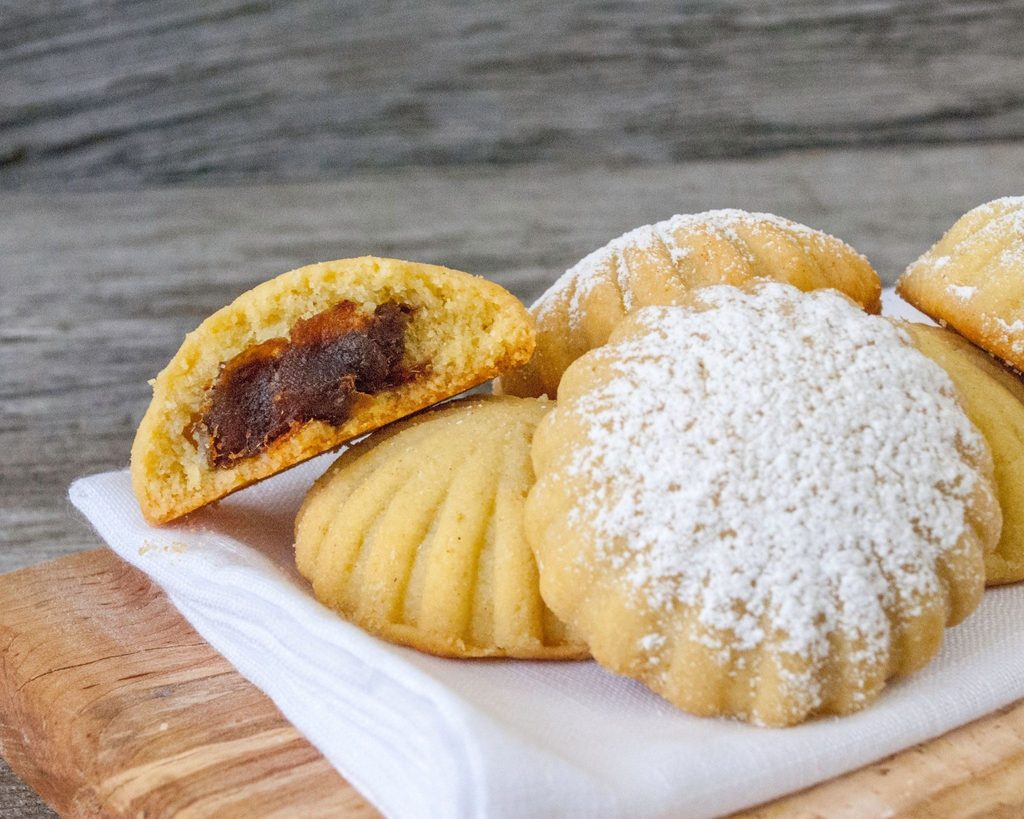
Maamoul is a traditional filled cookie often prepared for Eid and other festive occasions. Its delicate dough is typically made with semolina, butter or ghee, and sometimes flour. Popular fillings include dates, pistachios, and walnuts. Maamoul has a tender, crumbly texture, with the natural sweetness of dates or the rich, nutty flavour of its other fillings.
4. Basbousa
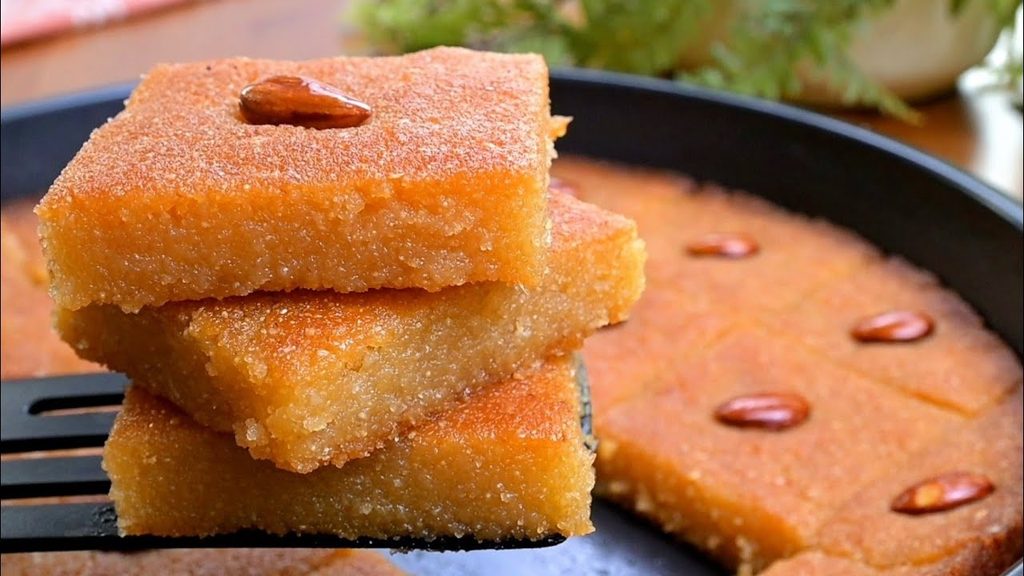
Basbousa is a semolina cake soaked in sugar syrup and often topped with almonds or coconut. Known by names such as Hareesa or Revani in some regional traditions, it varies in preparation from one country to another. Its texture is moist and tender, with a slightly grainy crumb and a sweet, buttery flavour. Rosewater or orange blossom water may be added for fragrance.
5. Qatayef (Atayef)
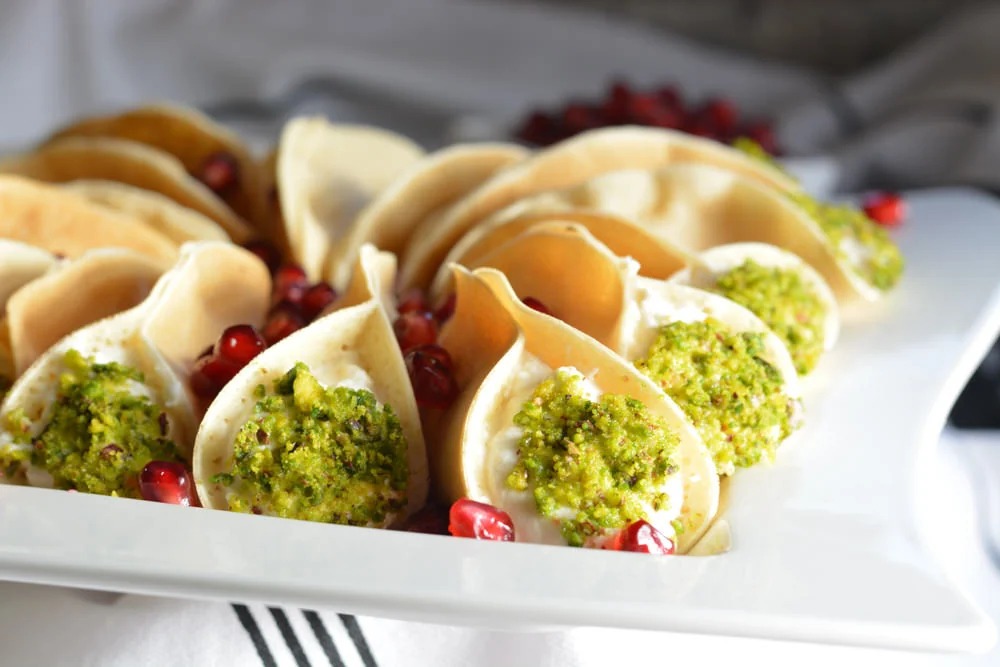
Qatayef, also known as Atayef, consists of small pancakes filled with ingredients such as walnuts, pistachios, or cream. The pancakes are commonly folded over the filling and may be baked, fried, or served fresh, depending on the variety. Particularly popular during Ramadan, Qatayef combines a soft or crispy exterior with a creamy or nutty centre and a sweet syrup finish.
6. Luqaimat (Lokma)
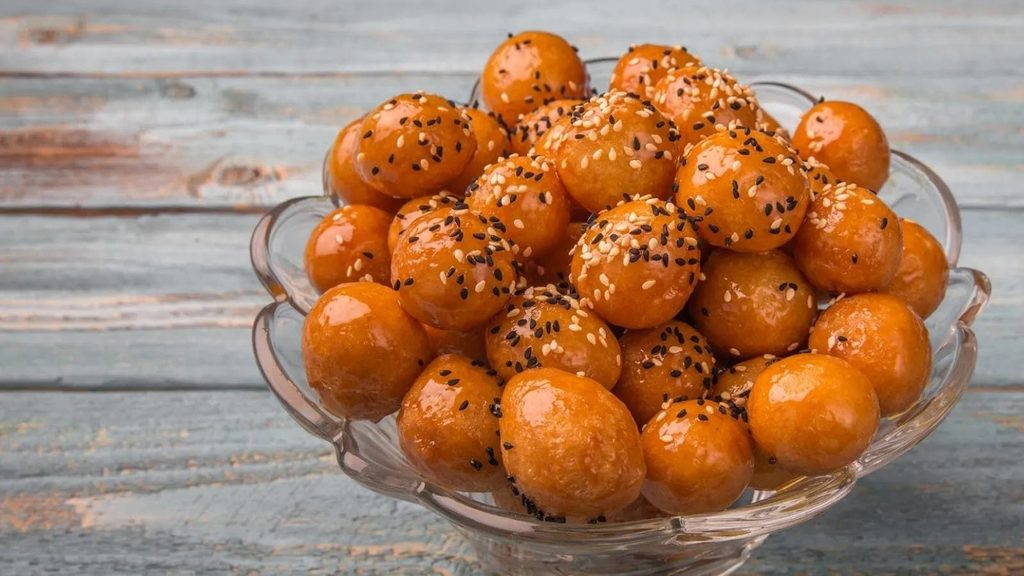
Luqaimat are small, round dough balls that are deep-fried until golden and drizzled with date syrup or sugar syrup. They may also be garnished with sesame seeds. Known as Lokma in several neighbouring culinary traditions, these bite-sized treats have a crisp outer layer and a fluffy interior. Their sweetness and light texture make them a popular dessert during Ramadan and festive gatherings.
7. Halawet El Jibn
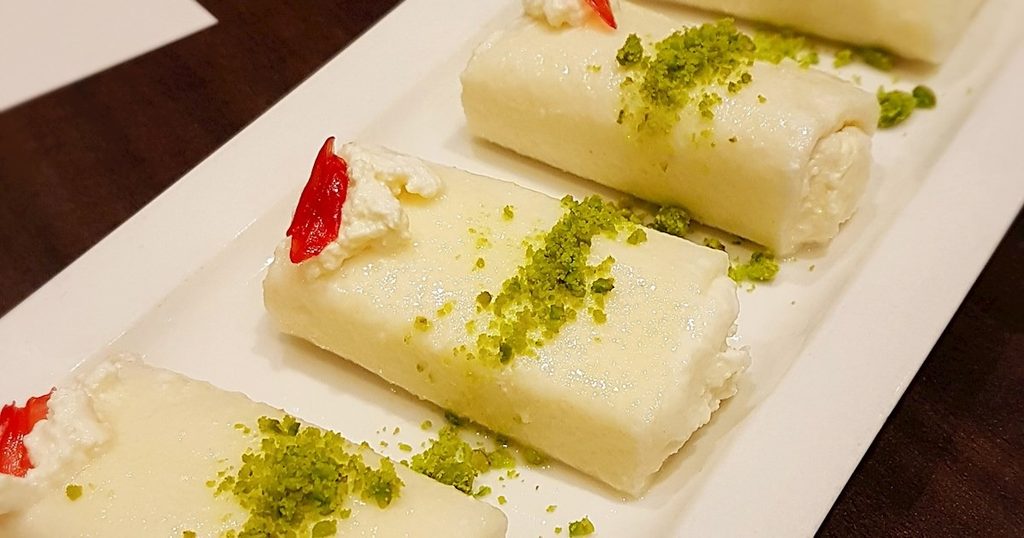
Halawet El Jibn is a Lebanese and Levantine dessert made from a soft dough of sweet cheese and semolina. The dough is rolled around a filling of ashta, a type of thick cream, and topped with sugar syrup and crushed pistachios. Its texture is soft and slightly chewy, while its flavour balances mild cheesiness, rich cream, and floral sweetness from rosewater or orange blossom water.
8. Mahalabia (Muhallebi)
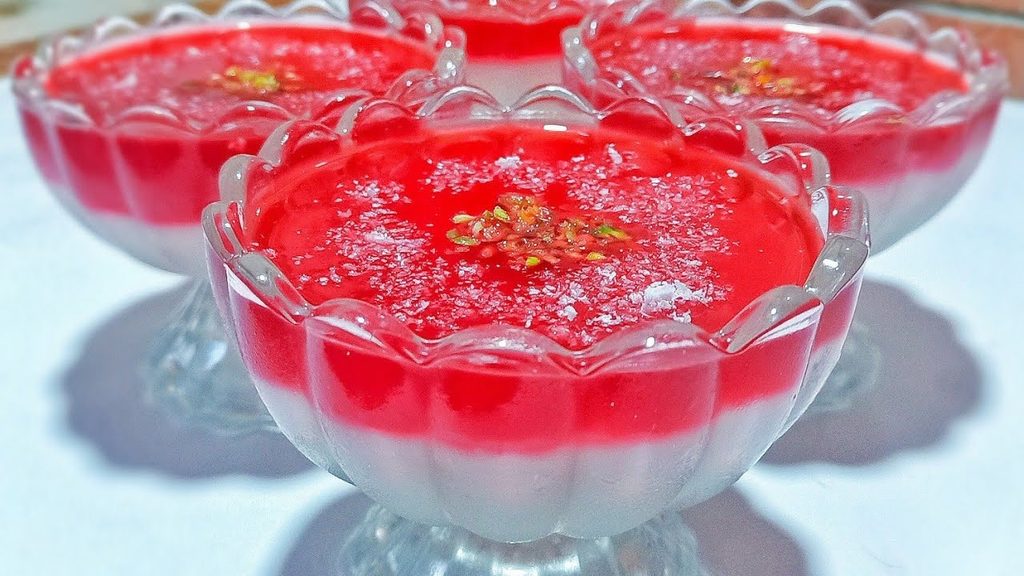
Mahalabia, also called Muhallebi, is a smooth milk pudding thickened with starch or rice flour. It is often flavoured with rosewater or orange blossom water and garnished with pistachios, almonds, or shredded coconut. Unlike syrup-heavy pastries, this dessert has a light, creamy consistency and a delicate sweetness. It is a popular choice for those who prefer a cool, spoonable dessert.
Umm Ali (Om Ali)
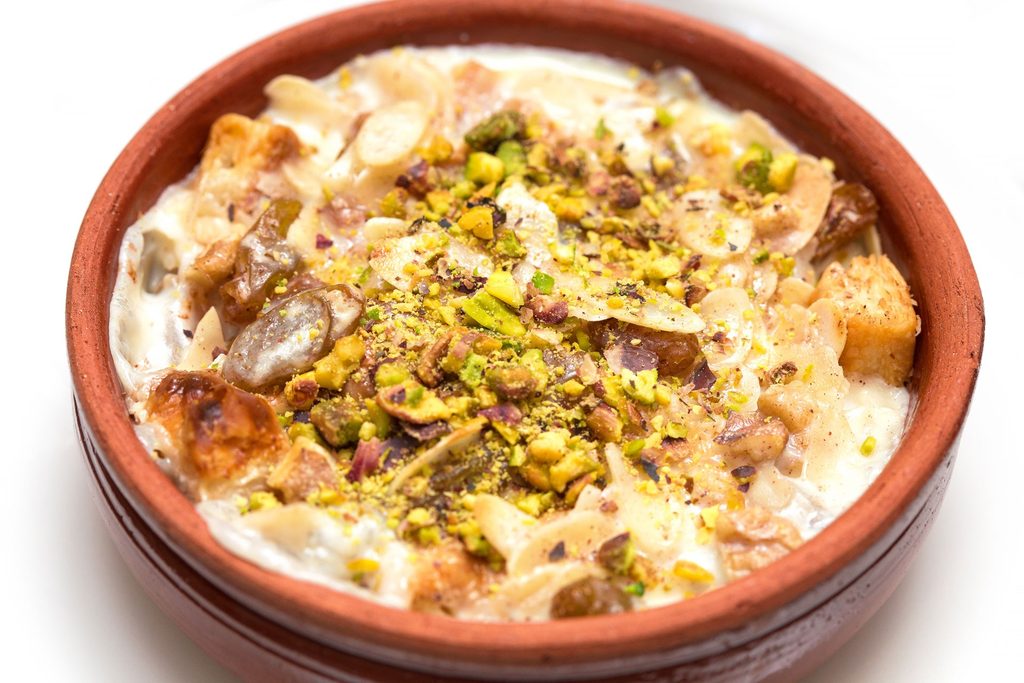
Umm Ali is a traditional Egyptian bread pudding prepared with puff pastry or other baked pastry pieces, milk, cream, sugar, and a mixture of nuts and raisins. The ingredients are baked together until the top becomes golden and lightly crisp. Beneath the surface, the pastry softens as it absorbs the milk, creating a warm, creamy dessert with buttery, nutty, and gently sweet flavours.
10. Aish El Saraya (Eish El Saraya)
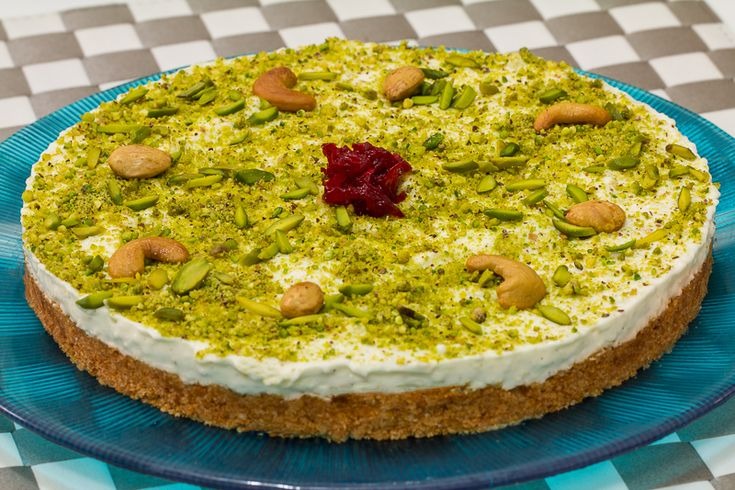
Aish El Saraya is a Levantine dessert made with bread or toast soaked in a sweet syrup and topped with a thick layer of cream, often garnished with pistachios. Some versions use caramelised sugar to create a deeper flavour. The base is soft and syrupy, while the creamy topping adds richness. Its taste combines caramel-like sweetness, dairy creaminess, and a subtle nutty finish.
11. Barazek
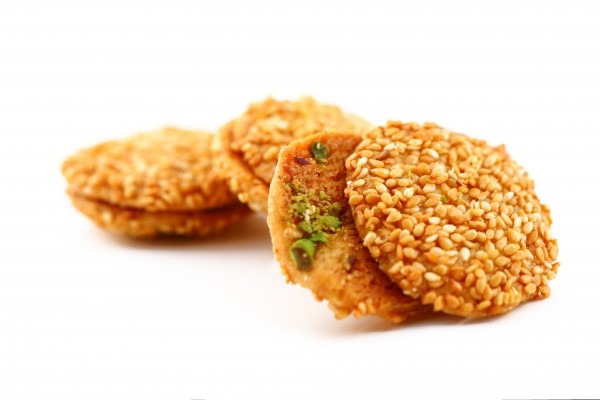
Barazek is a well-known Syrian cookie, particularly associated with Damascus. These thin, crisp
biscuits are typically coated with sesame seeds on one side and crushed pistachios on the other. Their texture is crunchy, and their flavour combines buttery sweetness with toasted sesame and nutty pistachio notes. Barazek is often served with Arabic coffee or tea.
12. Zainab’s Fingers (Asabe’ Zainab)
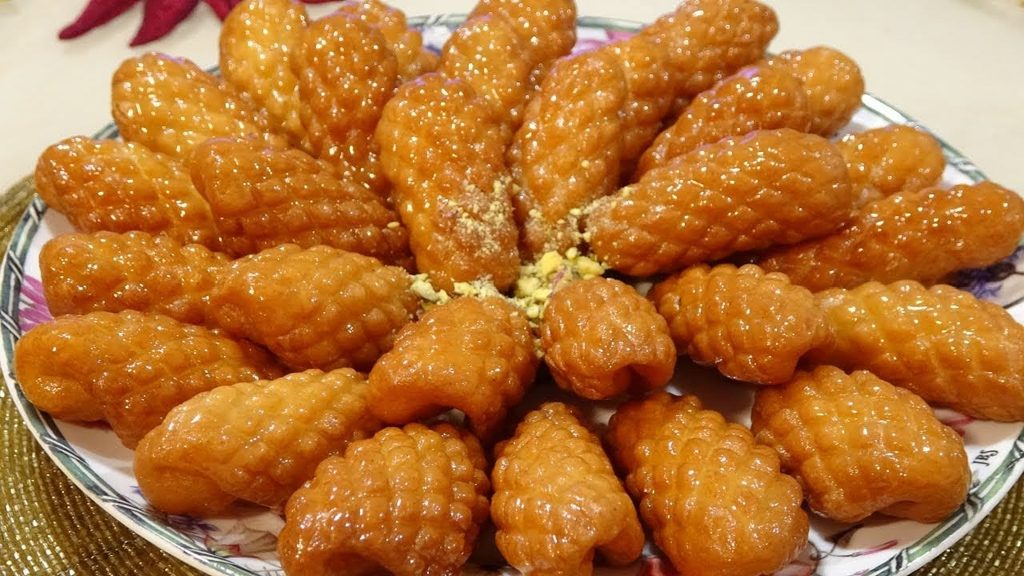
Zainab’s Fingers, commonly known in Arabic as Asabe’ Zainab, are small, ridged pastries made from a dough that often includes semolina. They are fried until crisp and then dipped in sugar syrup. Their exterior is crunchy, while the centre can be slightly firm or tender, depending on the recipe. The syrup gives them a pronounced sweetness, making them a familiar treat in several Arab communities.
13. Warbat (Shabiyat)
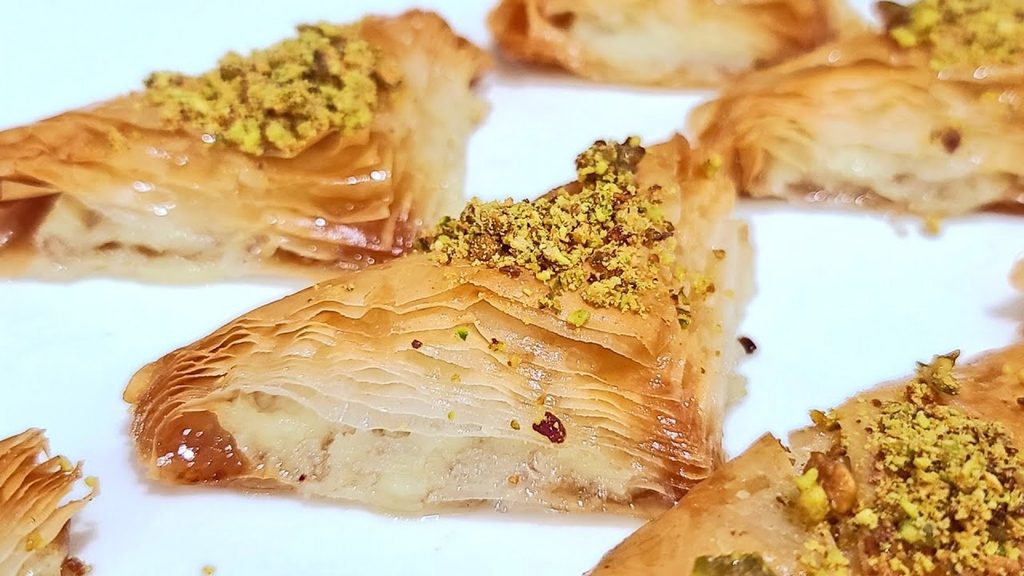
Warbat, also known as Shabiyat in some regional traditions, is a layered filo pastry filled with cream or custard. The pastry is baked until crisp and golden, then finished with sweet syrup and sometimes pistachios. Its appeal comes from the contrast between the delicate, flaky layers and the smooth filling. The flavour is buttery and sweet, often with a subtle floral aroma.
14. Halva (Halwa)
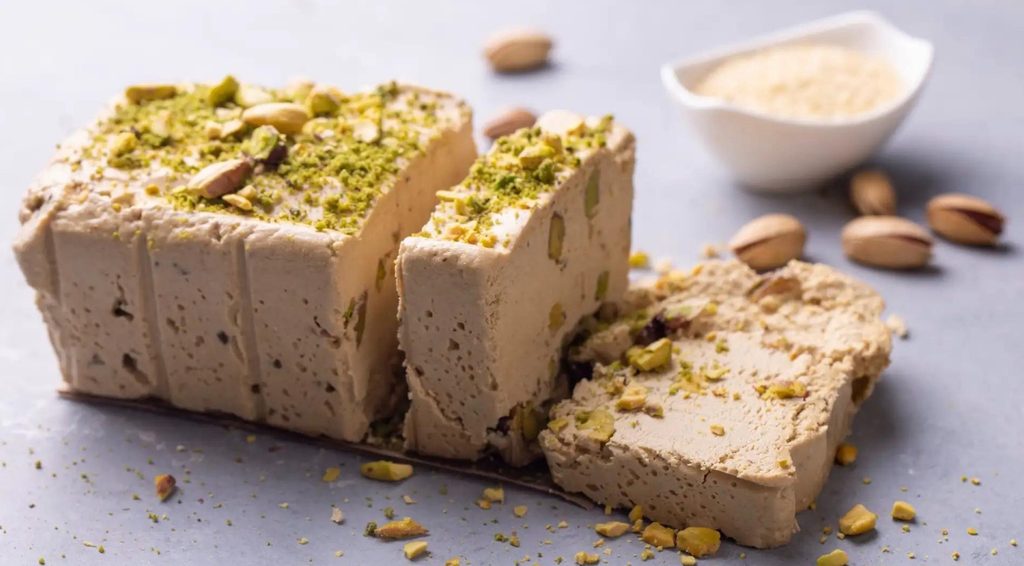
Halva, also spelled Halwa, is a traditional sweet found in different Middle Eastern and Mediterranean culinary traditions. Its ingredients and preparation methods vary by region. Sesame-based halva is commonly made with tahini and sugar, sometimes combined with pistachios or other nuts. It has a dense, crumbly texture and a rich, nutty flavour. Other regional varieties use semolina, sugar, butter or ghee to create a softer, more cake-like consistency. These variations give halva its distinctive range of flavours and textures
15. Layali Lubnan (Lebanese Nights)
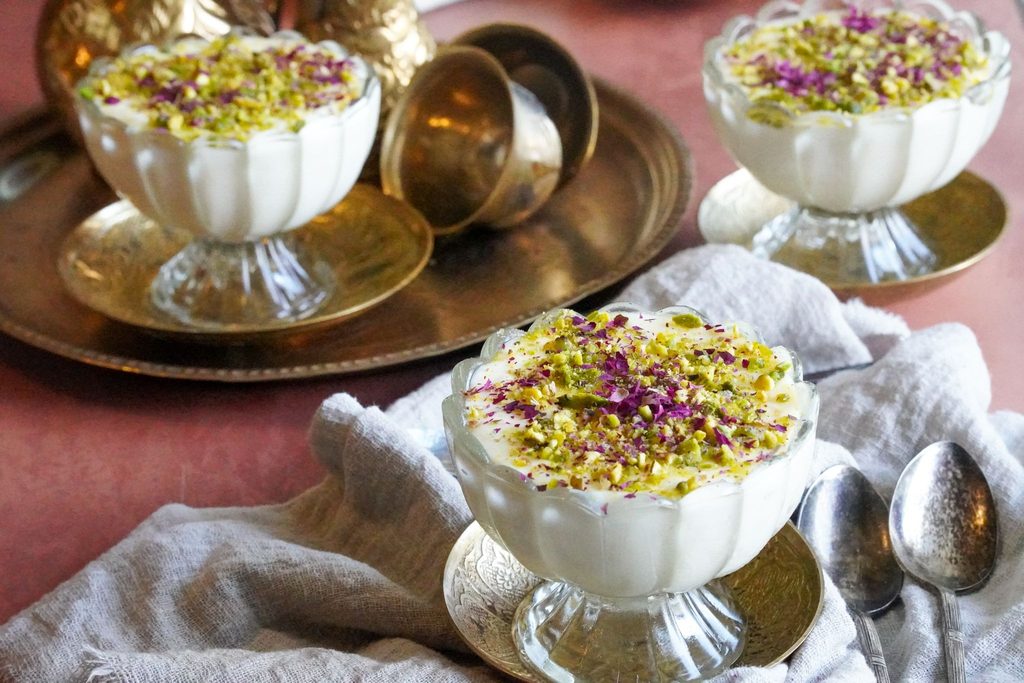
Layali Lubnan, meaning “Lebanese Nights,” is a popular Lebanese dessert made with a semolina and milk pudding topped with ashta or whipped cream, pistachios, and sugar syrup. It is usually served chilled, making it a refreshing finish to a meal. Its smooth, creamy base has a mild sweetness, while the syrup and pistachios contribute floral, nutty, and richer flavours.
Traditional Arabic Sweets and Their Ingredients
Traditional Arabic sweets use a combination of grains, nuts, dairy products and aromatic ingredients to create their distinctive flavours and textures. While recipes vary across the Middle East, certain ingredients appear frequently in different regional desserts. Understanding how these ingredients are used offers a closer look at the traditions behind popular Arabic sweets.
Semolina and Filo Pastry
Semolina and filo pastry are two important ingredients in traditional Middle Eastern dessert-making. Semolina provides structure and a slightly grainy texture in sweets such as Basbousa and Layali Lubnan. Filo pastry, on the other hand, consists of thin sheets layered to create a delicate, flaky texture. It is commonly used in pastries such as Baklava and Warbat, where the layers become crisp and golden during baking.
Dates and Nuts
Dates, pistachios, walnuts and almonds contribute sweetness, richness and texture to many Arabic desserts. Dates are valued for their naturally sweet, caramel-like flavour and are often used in fillings or as a sweetening ingredient. Pistachios, walnuts and almonds add a nutty taste and satisfying crunch. They may be incorporated into fillings, mixed into dessert mixtures or used as toppings.
Ashta and Other Dairy Ingredients
Dairy ingredients play an important role in Arabic sweets, particularly desserts with creamy fillings and soft textures. Ashta is a traditional Middle Eastern cream used in filled pastries and layered desserts. Milk and cream also form the base of various puddings and other chilled sweets, adding richness and a smooth consistency. Their mild flavour helps balance the sweetness of syrups and other toppings.
Rosewater and Orange Blossom Water
Rosewater and orange blossom water are widely used to add fragrance to Middle Eastern desserts. These floral waters can be mixed into sugar syrups, cream fillings and milk-based puddings. Their delicate aromas complement ingredients such as pistachios, semolina and dairy without overpowering the overall flavour. The amount used varies by recipe, with some desserts having a more noticeable floral character than others.
Sugar Syrup and Sweet Toppings
Sugar syrup is a common finishing ingredient in many Arabic desserts. Often prepared with sugar and water, it may also include lemon juice, rosewater or orange blossom water. Syrup adds moisture and sweetness to baked pastries and fried treats, while helping create their characteristic glossy finish. Other toppings, including crushed nuts, sesame seeds and shredded coconut, contribute additional flavour, colour and texture.
Together, these ingredients give Arabic sweets their distinctive variety, from crisp and flaky pastries to soft puddings, nut-filled treats and fragrant desserts. Their combinations and preparation methods reflect the different culinary traditions found across the region.
Different Types of Arabic Desserts and Their Textures
Arabic desserts come in a variety of textures, from crisp, flaky pastries to soft puddings and golden fried treats. Their preparation methods play an important role in shaping the final texture and overall eating experience. The following categories offer a simple way to compare some popular traditional sweets.
Crispy and Layered Pastries
Layered pastries are known for their delicate, crisp texture. Baklava and Warbat are good examples, with thin pastry sheets baked until golden. Their layers create a light crunch, while sweet syrup adds moisture and a glossy finish. Depending on the filling and preparation, these pastries can offer a contrast between crisp outer layers and softer centres.
Cheese-Based and Cream-Filled Desserts
Some Arabic desserts combine soft pastry or dough with rich cheese and cream fillings. Kunafa and Halawet El Jibn are popular examples. Their textures are generally softer and more indulgent than those of crisp layered pastries, with creamy or stretchy centres providing a contrast to the outer layer.
Semolina-Based Desserts
Semolina gives desserts a distinctive texture that can range from soft and moist to smooth and pudding-like. Basbousa is typically more cake-like, while Layali Lubnan has a softer, creamy consistency. These differences show how the same grain can be used to create quite different dessert experiences.
Traditional Cookies and Biscuits
Arabic cookies and biscuits offer a variety of textures, from tender and crumbly to thin and crunchy. Maamoul is known for its delicate exterior and soft filling, while Barazek is typically crisp with a satisfying crunch. These sweets are often enjoyed alongside coffee or tea.
Creamy Puddings
Milk-based puddings are popular among those who prefer lighter, spoonable desserts. Mahalabia has a smooth, delicate consistency, while Layali Lubnan combines a soft semolina pudding base with a creamy topping. Served chilled, these desserts offer a refreshing contrast to richer, syrup-heavy pastries.
Fried Arabic Sweets
Frying gives some traditional Arabic sweets a golden exterior and a distinctive contrast in texture. Luqaimat are typically crisp on the outside and soft inside. Some varieties of Qatayef are also fried after being filled, creating a crisp outer layer around a softer centre. Their final texture depends on the preparation method and filling.
These categories are not rigid classifications, as some Arabic desserts can fit into more than one group. However, comparing their textures and preparation methods makes it easier to explore the variety of traditional Middle Eastern sweets and find options that suit different preferences.
Lebanese Arabic Sweets Names and Their Traditions
Exploring Lebanese Arabic sweets names offers a glimpse into Lebanon’s rich dessert traditions and its wider culinary connections with neighbouring Levantine countries. Lebanese sweets are known for their use of pastry, semolina, nuts, dairy and fragrant floral waters. From delicate filled pastries to creamy desserts, these traditional treats reflect generations of family recipes and regional influences.
Popular Lebanese and Levantine Desserts
Several well-known desserts are associated with Lebanese and broader Levantine culinary traditions. Kunafa, Maamoul, Halawet El Jibn and Layali Lubnan are popular examples, each offering a different combination of textures and flavours.
These sweets are enjoyed in different settings, from family gatherings and festive occasions to everyday meals. While they are familiar in Lebanon, many are also prepared in neighbouring countries, where local ingredients and family traditions influence their recipes.
Common Ingredients in Lebanese Sweets
Lebanese dessert-making often combines a few distinctive ingredients to create its characteristic flavours and textures.
- Ashta: A rich Middle Eastern cream commonly used as a filling or topping for pastries and creamy desserts.
- Pistachios: Frequently used as fillings, garnishes or toppings, adding a nutty flavour, crunch and vibrant colour.
- Semolina: Provides structure and texture in various traditional cakes and pudding-style desserts.
- Rosewater: Adds a delicate floral fragrance to sweet syrups, creams and dessert mixtures.
- Orange blossom water: Offers a light citrus-floral aroma that complements nuts, dairy and sweet pastries.
The proportions and combinations of these ingredients vary depending on the dessert and the recipe being followed.
How Lebanese Sweets Differ Across Regional Recipes
Lebanese sweets share many ingredients and preparation techniques with desserts from Syria, Palestine, Jordan and other parts of the Levant. However, recipes can differ between countries, cities and even individual families.
Variations may include the type of pastry used, the choice of cheese or cream filling, the amount of sugar syrup and the way a dessert is presented. Some recipes favour a stronger floral aroma, while others place greater emphasis on nuts, dairy or pastry texture. These differences make exploring regional Arabic sweets particularly interesting, as familiar dessert names can represent slightly different eating experiences depending on where they are prepared.
If you would like to explore Lebanese-inspired dining in Dubai, visit Babati and discover its dessert offerings. You can check the current menu to see which sweet options are available during your visit.
What Drinks Pair Well with Arabic Sweets?
The right drink can balance the sweetness of an Arabic dessert and bring out its distinctive flavours. From aromatic coffee to refreshing tea, different beverages complement different dessert textures and ingredients. Here are some popular pairings to consider when enjoying traditional Middle Eastern sweets.
Arabic Coffee with Nut-Based Desserts
Arabic coffee is an excellent accompaniment to nut-based sweets such as Baklava and Maamoul. Its roasted flavour and subtle bitterness contrast with the sweetness of syrup and the richness of pistachios, walnuts and dates. Lightly spiced with cardamom, it also adds an aromatic finish to the experience.
Cardamom Tea with Syrup-Based Pastries
The warm, aromatic flavour of cardamom tea pairs well with syrup-based pastries such as Kunafa and Baklava. Its gentle spice complements the buttery pastry and sweetness of the syrup, creating a balanced combination without overpowering the dessert.
Mint Tea with Creamy Desserts
Mint tea offers a refreshing contrast to creamy desserts such as Mahalabia and Layali Lubnan. Its fresh, cooling flavour helps balance the richness of milk and cream, making it a pleasant choice after a meal.
Black Tea with Traditional Cookies
Plain black tea pairs particularly well with traditional cookies such as Maamoul and Barazek. Its robust flavour balances the sweetness of date fillings and the nutty notes of sesame and pistachios. It is also a simple accompaniment for enjoying these treats during everyday gatherings.
The best pairing ultimately depends on personal preference and the sweetness of the dessert. If you would like to explore coffee options alongside your dining experience, visit our coffee offerings in Dubai for available choices.
Where to Enjoy Arabic-Inspired Desserts in Dubai
Exploring different Arabic sweets names is a great way to discover the rich dessert traditions of the Middle East. If you would like to experience Lebanese-inspired flavours while dining in Dubai, Babati offers a welcoming setting in Business Bay, combining Lebanese culinary influences with a relaxed waterfront dining experience.
Explore Lebanese-Inspired Desserts at Babati
Located on Marasi Drive in Business Bay, Babati brings Lebanese-inspired dining to Dubai’s waterfront. Its dessert offerings include favourites such as warm Kunafa, pistachio-filled Baklava and creamy Ashta with rosewater syrup, allowing guests to enjoy familiar Middle Eastern flavours after a meal.
Whether you enjoy the crisp texture of pastry, the richness of nuts or the smoothness of cream-based desserts, these sweet options offer a delicious way to complete your dining experience. Babati’s setting also makes it a place to enjoy Lebanese-inspired food and hospitality with friends and family.
View the Dessert Menu and Plan Your Visit
Planning a visit? Explore our menu to check the latest dessert selection and other available dishes before visiting. As menu items and availability may change, checking the current options is the best way to plan your experience.
Enjoy Lebanese-inspired dining in Business Bay and finish your meal with a sweet treat at Babati.