Labneh is a creamy, tangy Middle Eastern yoghurt cheese enjoyed with fresh bread, olive oil, herbs, and a variety of savoury accompaniments. But what is labneh made of, and what gives it its distinctive thick, smooth texture? Traditionally prepared by straining yoghurt to remove excess whey, labneh offers a rich yet refreshing flavour that works beautifully as a dip, spread, or part of a Middle Eastern breakfast.
If you are curious about how labneh is made, understanding its simple ingredients and preparation method is a great place to start. At Babati, exploring traditional Middle Eastern flavours is part of discovering the region’s diverse food culture, where simple ingredients come together to create memorable dining experiences.
What is lebneh?
Labneh is a traditional Middle Eastern strained yoghurt cheese widely enjoyed in Levantine and other regional cuisines. It is prepared by removing excess whey from yoghurt, giving it a thick, creamy texture and a mildly tangy flavour. Often served as a dip, spread, or part of a mezze platter, labneh is a familiar feature of Middle Eastern dining. Its smooth consistency and refreshing taste make it a versatile accompaniment to a variety of savoury dishes.
What Is Labneh Made Of? Key Ingredients
If you are wondering what labneh is made of, its main ingredient is plain, unsweetened yoghurt. Labneh is prepared by straining yoghurt to remove excess whey, creating a thick, creamy consistency and a mildly tangy flavour. A small amount of salt can be added for seasoning, although it is optional. The type of yoghurt used, including its fat content, also influences the final richness and texture.
Plain Yoghurt
Plain, unsweetened yoghurt forms the base of labneh. Full-fat yoghurt generally produces a richer, creamier result, while lower-fat varieties can create a lighter consistency. Using unflavoured yoghurt allows the natural tangy dairy flavour to remain the focus.
Salt (Optional)
Salt can be added to yoghurt before straining to enhance labneh’s flavour. However, it is not essential to the preparation, and some recipes use only plain yoghurt. The amount depends on personal taste and how the finished labneh will be served.
Whey Removal Through Straining
Straining is the process that transforms ordinary yoghurt into labneh. The yoghurt is placed in a clean cheesecloth or muslin cloth and left to drain in the refrigerator. As excess liquid, known as whey, separates from the yoghurt, the remaining mixture becomes thicker and more spreadable. Longer straining generally produces a firmer consistency similar to soft cheese.
How Is Labneh Made?
Understanding how labneh is made starts with the traditional process of straining yoghurt to remove excess whey. This simple method transforms ordinary yoghurt into a thick, creamy spread with a mildly tangy flavour. The preparation requires only basic kitchen equipment, while the straining time determines the final consistency.
Prepare the Yoghurt
Start with plain, unsweetened yoghurt. Full-fat yoghurt is a good choice if you prefer a richer, creamier result. If desired, mix in a small pinch of salt to enhance the flavour, although this step is optional.
Strain the Yoghurt to Remove Whey
Place a clean cheesecloth or muslin cloth inside a fine-mesh strainer and position it over a bowl. Spoon the yoghurt into the cloth, cover it, and leave it to drain in the refrigerator. As the yoghurt strains, excess liquid known as whey collects in the bowl, leaving behind a thicker mixture.
Adjust the Straining Time for Your Preferred Texture
Allow the yoghurt to strain for several hours, checking its consistency periodically. A shorter straining period produces softer labneh with a texture closer to thick yoghurt. Leaving it to strain for longer creates a denser, firmer consistency that is easier to spread. The ideal duration depends on the type of yoghurt used and your preferred texture.
Serve and Store Homemade Labneh
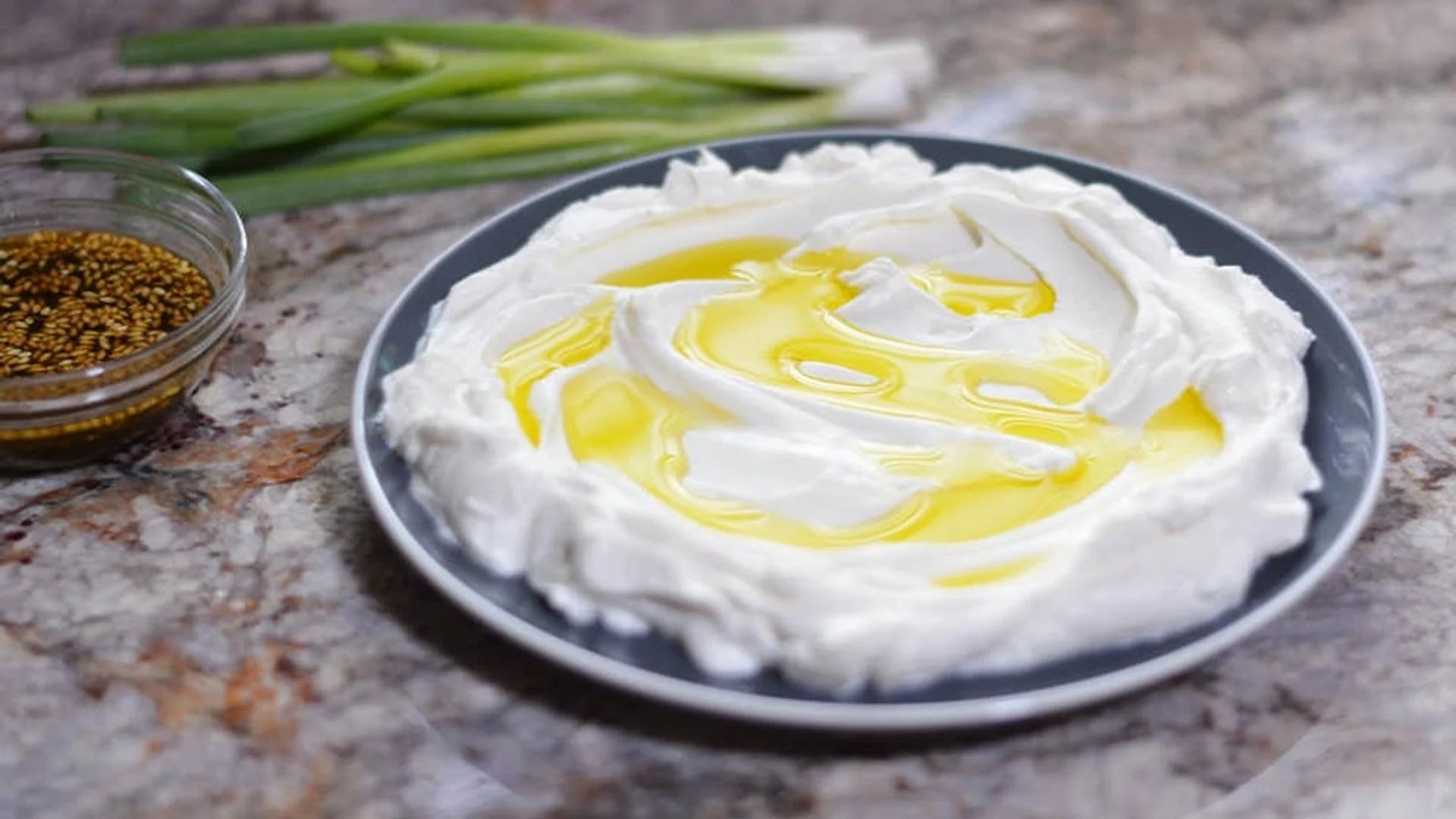
Once the desired consistency is reached, transfer your homemade labneh to a clean serving bowl. Drizzle with olive oil and add za’atar or fresh herbs for extra flavour. Serve it with warm pita bread, olives, or fresh vegetables.
For storage, transfer any leftovers to a clean, airtight container and keep them refrigerated. Use clean utensils when serving and follow appropriate food-safety guidance, as storage time can vary depending on preparation and handling.
What Does Labneh Taste and Feel Like?
Labneh has a mildly sour, tangy flavour with a creamy richness that makes it enjoyable as a dip or spread. Its taste is similar to plain Greek yoghurt but often feels smoother and less watery because of the straining process. When exploring what labneh tastes like, you can expect a refreshing balance of gentle acidity and a subtle dairy flavour, which pairs well with olive oil, za’atar, fresh herbs, olives, and warm flatbread.
The texture of labneh depends on how labneh is made, particularly how long the yoghurt is strained to remove excess whey. Shorter straining times produce a consistency closer to thick yoghurt, while longer straining creates a rich, creamy spread similar to soft cheese. Its versatility makes labneh a delicious addition to Middle Eastern breakfasts and shared meals. If you are planning a meal out with loved ones, explore our guide to family-friendly restaurants in Dubai for helpful tips on choosing a dining spot that suits your group and makes the experience enjoyable for everyone.
Labneh vs. Greek Yoghurt vs. Cream Cheese
Labneh, Greek yoghurt, and cream cheese share some similarities in texture and culinary uses, but they differ in ingredients, preparation, and consistency. Here is a quick comparison to help you understand their differences.
| Feature | Labneh | Greek Yoghurt | Cream Cheese |
| Main ingredients | Plain yoghurt, sometimes with salt | Milk and yoghurt cultures | Milk, cream, and cultures or other ingredients |
| Preparation | Yoghurt is strained to remove excess whey | Yoghurt is strained to achieve a thicker consistency | Made by culturing and processing milk and cream |
| Texture | Thick, creamy, and spreadable | Smooth, thick, and spoonable | Dense, smooth, and rich |
| Taste | Tangy with a mildly sour flavour | Creamy, tangy, and refreshing | Mild, rich, and slightly tangy |
| Common uses | Dips, breakfast spreads, and mezze platters | Breakfast bowls, sauces, dips, and smoothies | Bagels, cheesecakes, frostings, and creamy spreads |
| Popular accompaniments | Olive oil, za’atar, olives, and flatbread | Fruit, honey, granola, and savoury toppings | Bread, crackers, smoked salmon, and baked goods |
Understanding what labneh is made of helps explain why it differs from Greek yoghurt and cream cheese. The main difference lies in their preparation and final consistency. Labneh is strained yoghurt with a thick, spreadable texture, making it particularly popular in Middle Eastern dips and breakfast dishes. Greek yoghurt is generally softer and works well in both sweet and savoury recipes, while cream cheese has a richer consistency commonly used in spreads and desserts.
How Is Labneh Traditionally Served?
Labneh is a versatile staple in Middle Eastern cuisine, commonly enjoyed as a breakfast spread, dip, or part of a mezze platter. Its creamy texture and mildly tangy flavour make it a natural accompaniment to warm bread, fresh vegetables, olives, and a variety of savoury dishes. The toppings and accompaniments can vary depending on the meal and regional preferences.
Labneh for Middle Eastern Breakfast
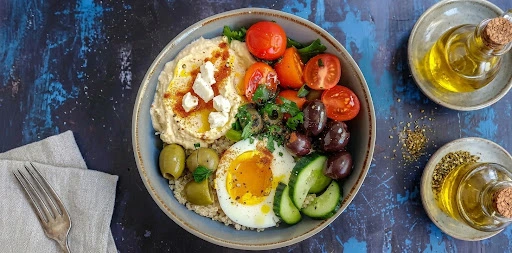
Labneh is often served as part of a traditional Middle Eastern breakfast, spread over warm pita bread or flatbread. It is commonly accompanied by olives, sliced cucumbers, tomatoes, and fresh bread. A drizzle of olive oil adds richness, making it a simple yet flavourful breakfast option.
Labneh as a Dip or Mezze Starter
Labneh also works well as a dip or mezze starter, served alongside freshly baked bread, raw vegetables, or toasted pita. On a mezze platter, it complements other Middle Eastern favourites, offering a cool, creamy contrast to savoury dips, salads, and warm appetisers. Its spreadable consistency also makes it easy to share.
Traditional Labneh Toppings
Simple toppings can enhance labneh’s natural tangy flavour. Extra virgin olive oil is a popular addition, while za’atar provides an aromatic, savoury finish. Fresh mint, chopped parsley, olives, and other herbs can also be added for extra flavour and texture. These combinations make labneh easy to adapt to different meals and serving preferences.
What Can You Eat with Labneh?
Labneh pairs well with a variety of Middle Eastern foods, thanks to its creamy texture and mildly tangy flavour. From freshly baked bread to crisp vegetables and savoury mezze dishes, it complements both simple snacks and larger shared meals.
Bread and Flatbread
Warm pita, Arabic bread, and other flatbreads are classic accompaniments to labneh. You can spread it over a slice of bread, use it as a dip, or enjoy it alongside freshly baked flatbread for a simple and satisfying combination.
Vegetables and Olives
Fresh vegetables such as cucumber and tomatoes add a refreshing contrast to labneh’s creamy consistency. Olives provide a savoury, slightly salty flavour, while fresh mint and parsley bring additional freshness. These ingredients work well together for a light snack or breakfast accompaniment.
Other Middle Eastern Mezze Dishes
Labneh also complements a variety of Middle Eastern mezze dishes, including fresh salads, savoury dips, and appetisers. Its mild tanginess balances richer flavours and adds a creamy element to a shared platter, making it a versatile addition to a selection of regional favourites.
Where Can You Enjoy Middle Eastern-Inspired Food in Dubai?
If you enjoy exploring Middle Eastern cuisine and its traditional flavours, Babati offers a welcoming dining experience in Business Bay, Dubai. Inspired by Lebanese culinary traditions, the restaurant brings together regional flavours, a variety of dishes, and a relaxed waterfront setting. Whether you are planning breakfast, lunch, or dinner, it offers an opportunity to discover the food culture that makes Middle Eastern dining so distinctive.
Explore Middle Eastern-Inspired Dining at Babati
Babati brings Lebanese-inspired cuisine to Dubai, with a menu featuring traditional mezze, fresh salads, grilled dishes, oven-baked specialities, and other Lebanese and international options. Its dining experience combines regional food traditions with a welcoming atmosphere, making it a place to enjoy a meal with family and friends. If you are curious about Middle Eastern flavours beyond the dishes discussed in this guide, Babati offers a chance to explore a variety of culinary favourites.
Plan Your Visit to Babati
Located on Marasi Drive in Business Bay, Babati offers a waterfront dining setting with views of the Dubai Water Canal and the surrounding skyline. Before visiting, explore our food menu to check the available dishes and plan your meal. You can also contact the restaurant on +971 4 287 9544 to enquire about reservations.
Planning a meal in Business Bay? Reserve your table for a relaxed dining experience inspired by Lebanese hospitality.