Have you ever tasted a dish that tells a story? A single bite that whispers of ancient Bedouin traditions while simultaneously shouting from the rooftops of a futuristic metropolis? This is the unique and captivating magic of dining in Dubai. The city’s culinary scene is not just about sustenance; it’s a breathtaking dance between the deeply rooted, aromatic flavors of the Arabian Peninsula and the bold, innovative spirit of its global future.
Here, recipes passed down through generations are reimagined with modernist techniques, and time-honored ingredients meet unexpected global influences. This creates a dining landscape that is as dynamic, diverse, and captivating as the city itself, offering a delicious narrative of a culture that proudly honors its past while racing fearlessly toward tomorrow.
A Culinary Crossroads: The Foundation of Fusion
Dubai’s location alone destined it to be a melting pot of flavors. For generations, it has been a vibrant trading hub, connecting the East and West. This historical role laid the groundwork for its modern food scene. Spices from India, cooking techniques from Persia, and culinary influences from across the Arab world first arrived here via ancient trade routes.
These elements blended with local Emirati traditions, creating a rich and complex base. This inherent openness to external influence is why innovation feels so natural here. The city didn’t just adopt new flavors; it wove them into its very fabric, creating a resilient and adaptable culinary culture primed for constant evolution.
Culinary Roots and Lebanese Influence in Dubai
The Bedrock of Flavor
Traditional cooking forms the soul of the kitchen. Methods like slow cooking meats, using clay ovens (tannours), and grinding spices by hand are still revered. Staples like fragrant rice, tender lamb, fresh herbs, and yogurt are not forgotten but celebrated. These elements provide the familiar, comforting notes that connect people to their heritage and offer visitors a genuine taste of the region’s culinary soul. This steadfast commitment to foundational flavors ensures that even the most modern creation remains rooted and recognizable.
The Lebanese Influence
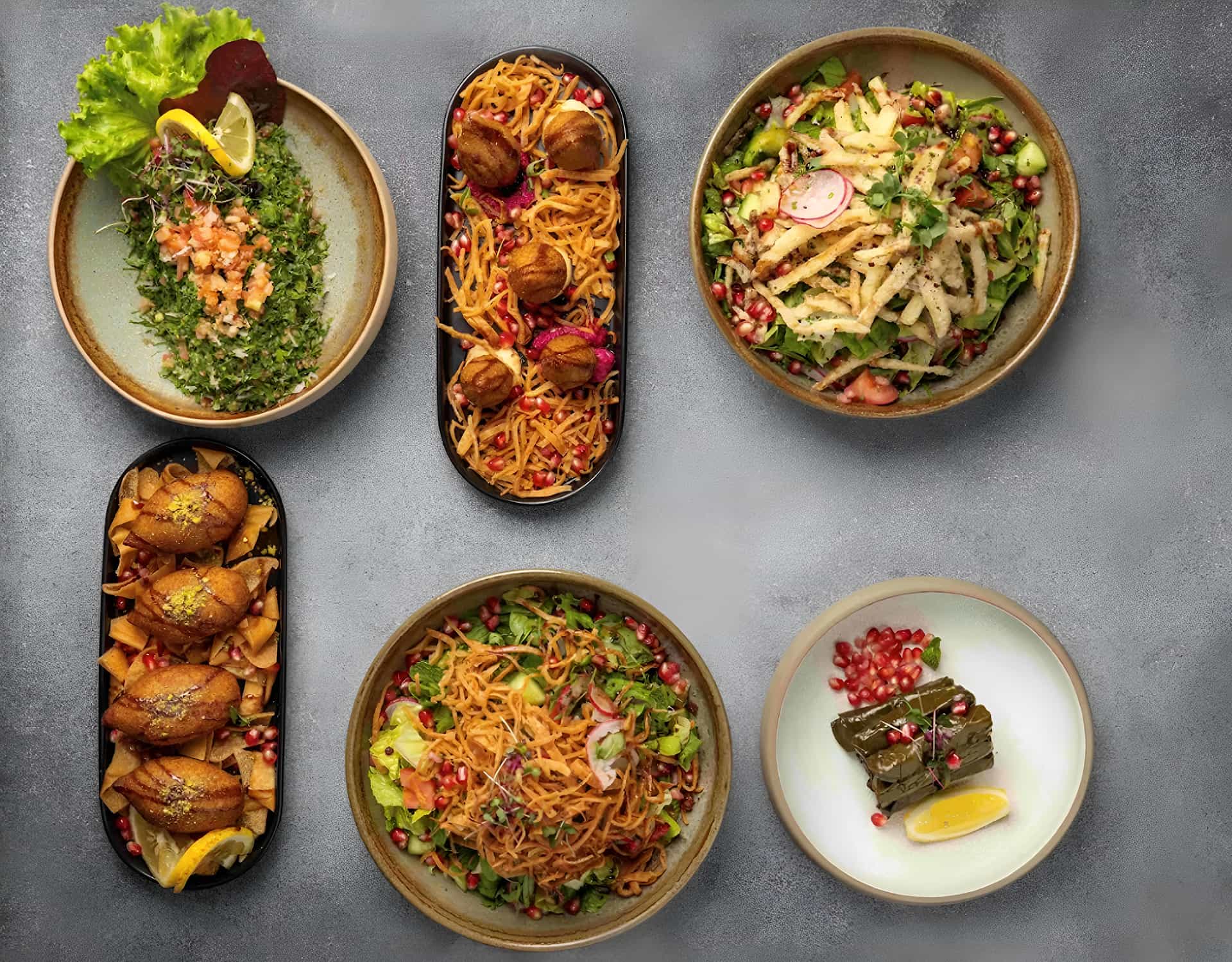
The impact of Lebanese cuisine on Dubai’s food scene cannot be overstated. It introduced a philosophy of sharing and freshness that resonates deeply. The Lebanese mezza tradition, a spread of small, flavorful dishes, is a perfect example of a timeless custom. It emphasizes community, variety, and the use of fresh, high-quality ingredients like olive oil, garlic, lemon, and parsley. This focus on shared plates and vibrant, fresh flavors has become a cornerstone of dining in Dubai, providing a familiar and beloved template that chefs love to work with and innovate upon.
Modern Techniques and Global Flavors Shaping Dubai Cuisine
Modern Techniques and Presentation
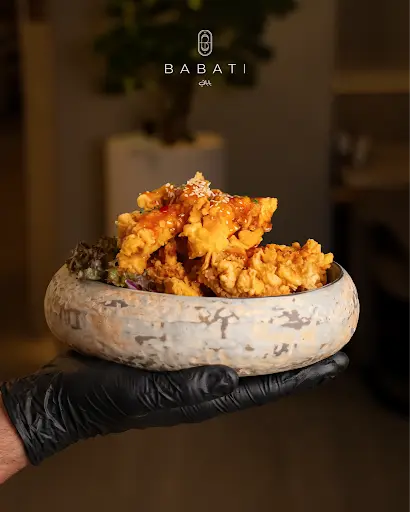
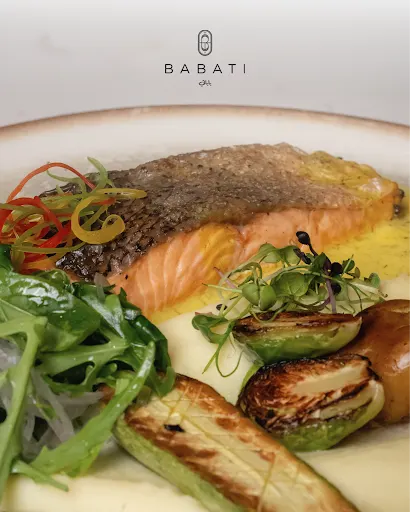
Innovation often comes through technique. Chefs might use precise temperature control to achieve perfect textures or employ molecular gastronomy to create familiar flavors in surprising new forms, such as foams or spheres. Presentation is also key. A traditional recipe might be deconstructed and elegantly plated with modern artistry, making it visually stunning for the social media age while maintaining its core taste profile. This approach respects the ingredient’s history while presenting it in a new light.
Global Ingredients on a Local Plate
Another path to innovation is through ingredient fusion. A chef might introduce unexpected citrus varieties to a classic dressing or add subtle gourmet oils to a creamy traditional dip. Ancient grains can replace more common bases, or premium meats can elevate a beloved preparation. This is not about overshadowing the original flavor but about creating a delightful conversation between the familiar taste of the region and exciting, high-quality ingredients from around the world.
The Mediterranean Philosophy: A Natural Bridge
The principles of modern Mediterranean cuisine provide a perfect bridge between tradition and innovation, which is why it thrives in Dubai. This cuisine is inherently flexible and health-conscious, built on a foundation of fresh vegetables, olive oil, lean proteins, and whole grains. A Mediterranean kitchen can effortlessly honor Levantine traditions while innovating with nutrient-rich superfoods, contemporary plating, and plant-based adaptations. It allows for creativity without losing sight of the wholesome, shareable, and flavor-forward ethos that defines the region’s food.
The Dining Experience: Ambiance and Atmosphere
Architecture and Design
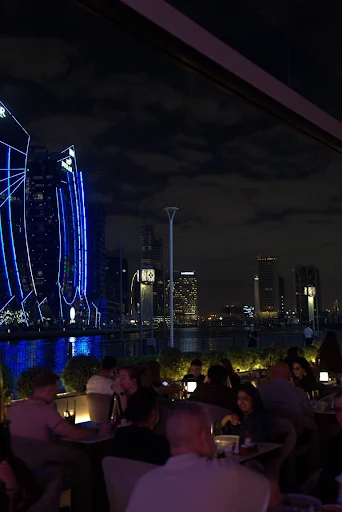
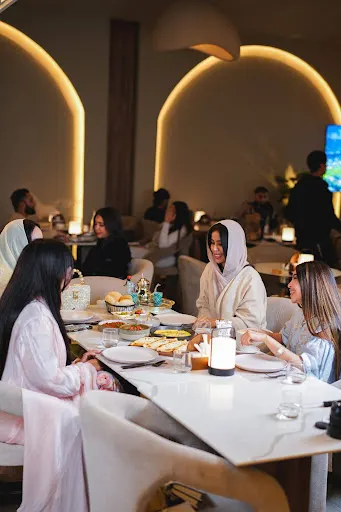
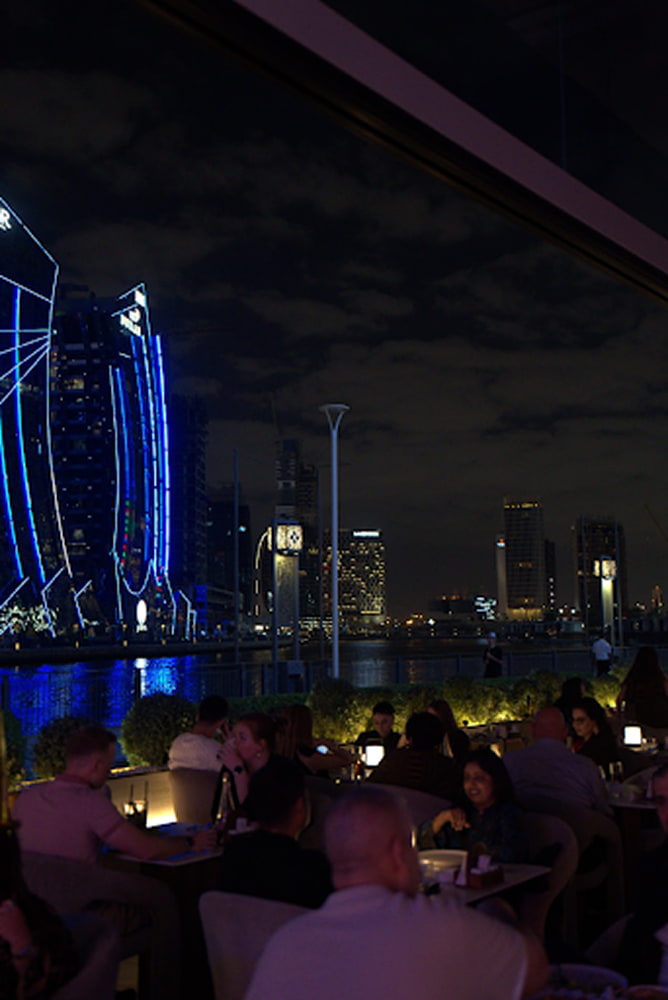
The fusion of old and new extends beyond the food to the dining experience itself. Restaurants masterfully blend traditional Arabian hospitality with contemporary design and technology. You can dine in a space that features traditional Arabic geometric patterns carved into modern materials or sit under a canopy that mimics a Bedouin tent while enjoying panoramic views of a futuristic skyline. The ambiance tells a story of a culture that values its past while racing toward the future. Comfortable, stylish seating, mood lighting, and art that references heritage with a modern twist all contribute to an immersive experience.
Service with a Digital Twist
The core of Arabian hospitality, warm, generous, and attentive service, remains unchanged. However, it is now often complemented by technology. Guests might view a digital menu on a tablet, use a QR code to learn about a dish’s origins, or order through a sleek app. This seamless integration enhances convenience without sacrificing the human connection and personal touch that is central to a memorable meal.
Conclusion
Dubai’s culinary scene is a vivid celebration of heritage and innovation. Ancient flavors, time-honored techniques, and global influences come together to create dishes that tell stories of trade routes, family traditions, and fearless creativity. Modern kitchens embrace cutting-edge methods and international ingredients while staying true to the comforting essence of regional cuisine. Dining spaces echo this balance with a design that honors Arabian hospitality and embraces technology. Every meal becomes an immersive experience, offering visitors and locals a dynamic taste of a city that honors its past while shaping the future. For an unforgettable evening, visit Babati or the best Lebanese restaurant in Business Bay, where these traditions and innovations come alive on every plate. Call +971 4 287 9544 to reserve your spot.
Frequently Asked Questions
What makes Dubai's food scene unique?
Dubai’s cuisine uniquely blends ancient Bedouin and Emirati traditions with global, modern techniques. This creates a dynamic dining landscape where heritage is honored through innovative, futuristic culinary expressions on every plate.
How has Lebanese food influenced Dubai?
Lebanese cuisine introduced the vital philosophy of sharing (mezza), emphasizing fresh, high-quality ingredients and community. This provided a beloved, flexible template that Dubai’s chefs continually innovate upon while keeping its core principles intact.
In what ways do chefs modernize traditional dishes?
Chefs use modern techniques like molecular gastronomy for new textures and deconstruct recipes for artistic plating. They also fuse dishes with premium global ingredients, creating a conversation between familiar local flavors and exciting new influences.
Does innovation compromise traditional Emirati flavor?
No, innovation enhances rather than compromises. Traditional flavors and cooking methods form the essential foundation. Modern techniques and global ingredients are used to elevate and reimagine them, ensuring the soul of the dish remains recognizable and respected.
How is the dining experience itself a fusion?
Restaurants blend traditional Arabian hospitality and design motifs with contemporary technology and aesthetics. You can enjoy a meal in a modern space with Bedouin-inspired elements, using digital menus without sacrificing warm, personal service.