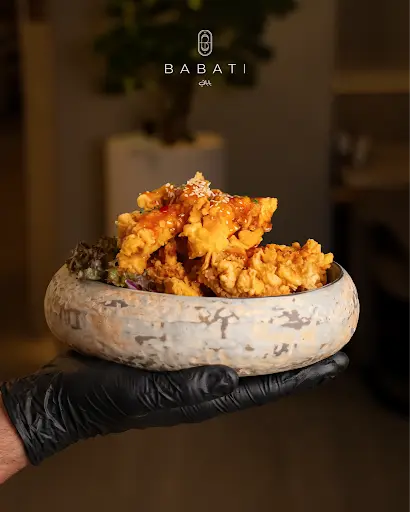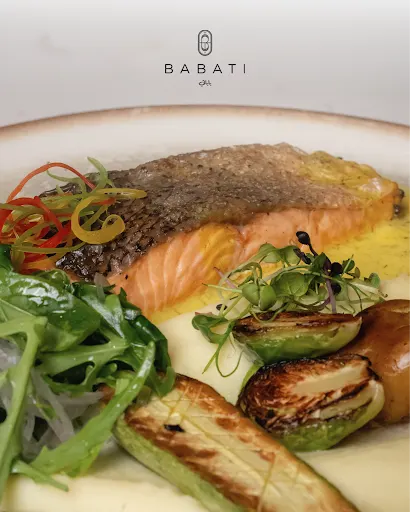
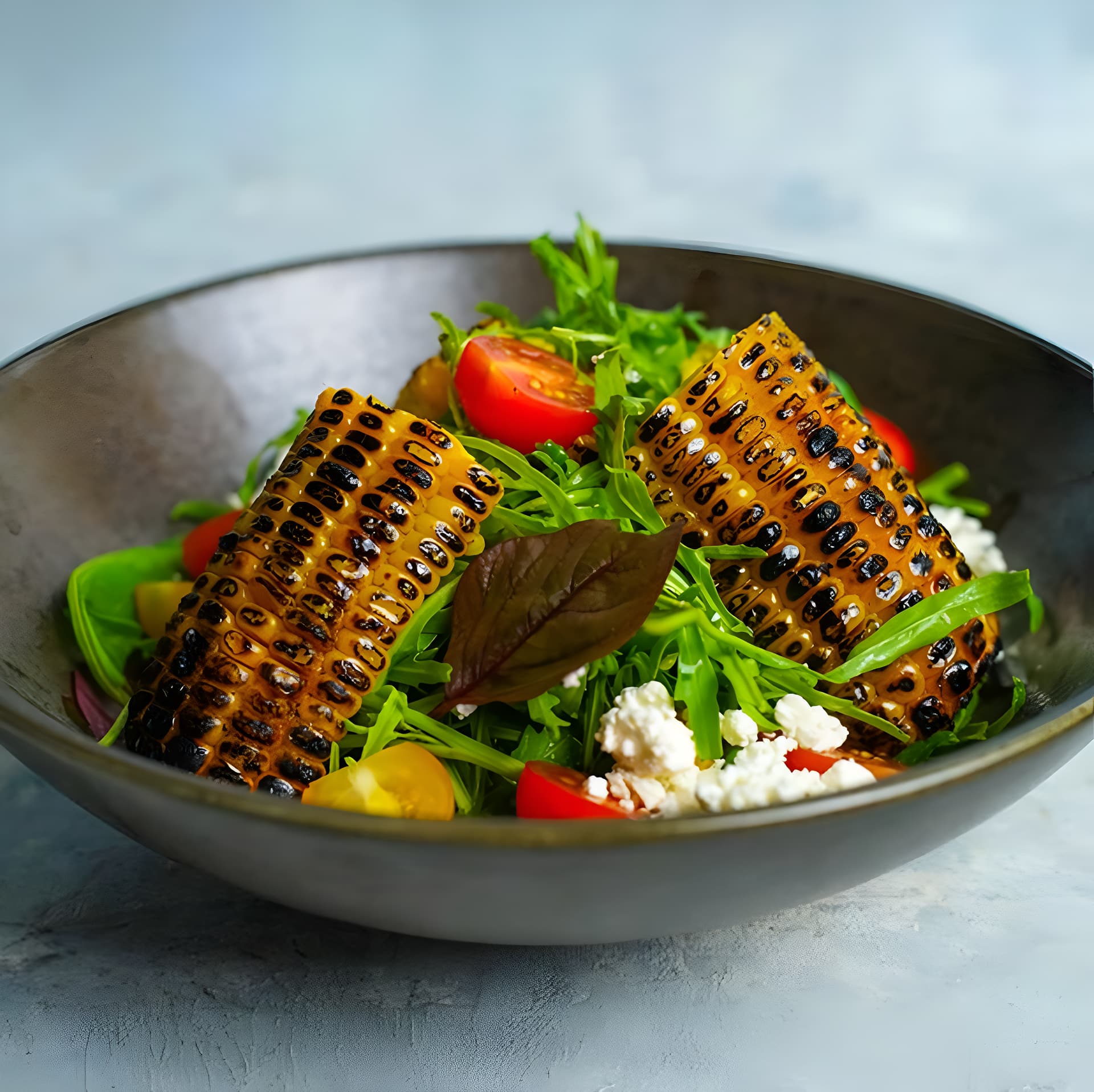
Dubai, a city renowned for its towering skyscrapers and luxurious lifestyle, is also a paradise for food lovers. Amidst the vast culinary landscape, Lebanese cuisine stands out as a beacon of freshness, flavor, and most importantly, wholesome nutrition. If you are following the Dietary Approaches to Stop Hypertension [DASH] diet, you might be wondering how to navigate restaurant menus without sacrificing taste or your health goals. The beautiful truth is that the core principles of traditional Lebanese cooking align almost perfectly with the DASH diet, making it one of the easiest and most delicious ways to eat well in Dubai.
This guide will show you how to enjoy an authentic and unforgettable Lebanese meal in Dubai, using a sample menu to make heart-healthy choices that delight your palate.
Why Lebanese Food is a DASH Diet Powerhouse
Before we dive into the menu, it’s important to understand why this cuisine is such a perfect fit.
Abundance of Vegetables and Fruits
Lebanese meals are built around an impressive variety of fresh vegetables and fruits, making them an excellent fit for the DASH diet. Colorful salads and vegetable-based dishes provide essential vitamins, minerals, and fiber while adding vibrant flavors to every plate. Classics like fattoush and tabbouleh highlight herbs, citrus, and olive oil, creating nutrient-rich options that are naturally low in sodium. This abundance of plant-based ingredients supports heart health, helps maintain healthy blood pressure, and keeps meals light yet satisfying for anyone seeking a balanced and wholesome diet.
Healthy Fats
Olive oil is the heart of Lebanese cooking and a key reason this cuisine aligns with DASH guidelines. Rich in monounsaturated fats, olive oil promotes cardiovascular health and delivers a subtle, fruity flavor that enhances salads, dips, and grilled dishes. It replaces less healthy fats with a source celebrated in the Mediterranean diet, offering benefits like lowering bad cholesterol and supporting overall heart function. By using olive oil generously yet thoughtfully, Lebanese cuisine achieves depth of taste and texture while helping diners maintain a diet that prioritizes wellness and delicious natural ingredients.
Lean Proteins
Lebanese cuisine offers abundant lean protein options that fit seamlessly into a heart-conscious diet. Grilled chicken and fish provide satisfying, low-fat protein sources, while legumes add plant-based power to meals. Chickpeas in hummus and lentils in hearty soups contribute fiber and essential nutrients without the saturated fats found in red meat. This variety supports muscle health, balances blood sugar, and keeps meals light but filling. By relying on both animal and plant proteins, Lebanese food delivers versatility and balance, making it ideal for those following DASH principles and maintaining long-term wellness.
Whole Grains and Fiber
Fiber-rich ingredients play a starring role in many Lebanese dishes, offering both nutrition and satisfying texture. While some recipes include refined grains, plenty feature whole grains and legumes that align with DASH goals. Quinoa-based salads or dishes brimming with vegetables and lentils provide slow-release energy and aid digestion. These wholesome options help regulate blood pressure, support heart health, and keep diners feeling full longer. By choosing traditional recipes centered on whole grains and legumes, Lebanese cuisine becomes a natural ally for anyone seeking a flavorful way to boost fiber intake daily.
Flavor Without Excessive Sodium
Lebanese cooking proves that remarkable taste does not require heavy salt. Herbs like parsley and mint, spices such as cumin and sumac, plus generous use of garlic and lemon juice, create bold flavors naturally. This reliance on fresh aromatics reduces the need for added sodium and helps maintain healthy blood pressure, a cornerstone of the DASH approach. Each bite bursts with brightness and complexity, demonstrating how thoughtful seasoning can elevate dishes without compromising health. With these natural flavor builders, Lebanese cuisine delivers both excitement and nutritional benefits in every beautifully balanced meal.
Navigating a Lebanese Menu in Dubai on the DASH Diet
Soups: A Warm and Wholesome Start
Soups can be a nourishing way to begin your meal when following the DASH diet, but careful choices are key. Lentil soup is the top pick since it delivers fiber, plant-based protein, and potassium to support healthy blood pressure. Ask for it without crispy bread garnish to limit refined carbohydrates and extra sodium. Cream-based soups, seafood options with cream, and vegetable soups containing chicken stock often have higher saturated fat and salt, so they are best enjoyed sparingly or shared in small portions.
Salads: The Heart of the Meal
Lebanese salads provide abundant nutrients and flavor. Fattoush and tabbouleh shine as DASH-friendly stars, full of fresh vegetables, herbs, and olive oil. Modern options like Babati Salad and beetroot quinoa salad add potassium, fiber, and magnesium, while Rocca Salad offers a peppery boost. Request dressings on the side and reduce cheese to manage sodium and fat. Watermelon with feta or smoked salmon salad is a tasty, moderate choice when served in smaller portions or prepared with less salt. Skip creamy Caesar salads to stay aligned with heart-healthy guidelines.
Cold Starters: The Art of Sharing
The Lebanese mezze tradition makes it easy to sample healthful flavors while staying true to DASH principles. Hummus and baba ganoush are excellent, nutrient-dense options rich in fiber and heart-healthy fats when paired with fresh vegetables instead of bread. Yalanji, or stuffed vine leaves, provide bright flavors from herbs and lemon without added salt. Moutabal is another satisfying dip, but it may contain yogurt that slightly raises sodium. Muhamara adds a sweet, smoky taste with walnuts and red peppers, best enjoyed in moderation because of the breadcrumbs and possible added sugars.
Final Tips for Dining Out
Communicate with your server to learn how each dish is prepared and request dressings or sauces on the side to control sodium and added fats. Limit the tempting bread basket by enjoying just a small piece and focusing on fresh vegetables for dipping. Mindful choices help you stay aligned with the DASH diet while still enjoying authentic flavors.
Portion control matters even with heart-healthy ingredients. Olive oil and other healthy fats are calorie-dense, so use them in moderation. Remember that Lebanese dining celebrates community and joy, allowing you to savor vibrant flavors while nourishing your body.
Conclusion
Dubai offers a world of culinary variety, but few experiences match the vibrant health and flavor of authentic Lebanese dining. With its foundation of fresh vegetables, lean proteins, whole grains, and heart-healthy olive oil, this cuisine naturally fits the DASH diet, making it easy to eat well without sacrificing taste. From lentil soup to colorful salads and mezze, every bite supports balanced nutrition and heart health. For an unforgettable meal that embodies both tradition and wellness, visit Babati, one of Dubai’s standout Lebanese restaurants in Business Bay, and savor dishes that delight your palate while nourishing your body. Reserve your table today and experience the best Lebanese Mixed Grill at Babati. Call 042 87 9544 to book your table today.
Frequently Asked Questions
What makes Lebanese cuisine ideal for the DASH diet?
Lebanese food emphasizes vegetables, fruits, lean proteins, whole grains, and olive oil. These core elements naturally support the DASH diet by lowering sodium intake and promoting heart health while offering vibrant flavors and satisfying, nutrient-rich meals in Dubai.
How can I order a DASH-friendly meal at Babati?
Choose lentil soup, tabbouleh, or beetroot quinoa salad, and enjoy hummus or baba ganoush with fresh vegetables. Ask for dressings on the side and limit bread to keep sodium and refined carbs low while savoring Babati’s authentic Lebanese flavors.
Which Lebanese dishes provide the best lean protein options?
Grilled chicken, fish, and legumes like chickpeas and lentils are excellent protein sources. They offer fiber, essential nutrients, and minimal saturated fat, supporting heart health while keeping meals light, balanced, and perfectly aligned with DASH diet guidelines for optimal nutrition.
How do Lebanese flavors stay delicious without excess salt?
Traditional Lebanese cooking relies on herbs like parsley and mint, spices such as cumin and sumac, plus garlic and lemon juice. These fresh aromatics create bold, complex flavors naturally, reducing the need for added sodium while enhancing every dish beautifully.
What tips help maintain portion control when dining out?
Request sauces and dressings separately, limit the bread basket, and savor smaller servings of calorie-dense items like olive oil. Share mezze plates to enjoy variety without overeating, keeping meals balanced and perfectly suited for a heart-healthy lifestyle.