Craving a meal that is both delicious and nourishing? Lebanese cuisine in Dubai offers exactly that, capturing the balance of vibrant taste and wholesome nutrition like few other culinary traditions. Rooted in the Mediterranean diet, it highlights fresh vegetables, aromatic herbs, lean proteins, and heart-healthy olive oil.
For both locals and visitors, Lebanese cuisine delivers a feast that is equally indulgent and health-focused, with dishes showcasing vivid colors and rich textures. Whether enjoyed in a lively market café or a refined waterfront restaurant, every meal celebrates the region’s culinary heritage. This article explores why Lebanese cuisine has become a Dubai favorite, revealing its health benefits, signature ingredients, and cultural significance while guiding you through traditional and modern favorites that make every dining experience unforgettable.
Why Lebanese Food Is One of the Healthiest in Dubai
Lebanese cooking fits naturally into Dubai’s cosmopolitan food culture because it blends bold flavors with mindful preparation. The cuisine’s reliance on seasonal produce, olive oil, and lean meats reflects centuries of Mediterranean tradition. Low in saturated fats and rich in fiber, Lebanese meals suit a health-focused lifestyle while remaining satisfying and hearty. Diners enjoy meals that are fresh and balanced without sacrificing indulgence, making it a natural choice for anyone seeking vibrant flavors with genuine nutritional value.
Find Out: Fun facts about Lebanese cuisine revealed
The Art of Lebanese Hospitality in Dubai
Hospitality is at the heart of Lebanese culture, and in Dubai, it transforms every meal into a warm, memorable event. Guests are greeted with genuine friendliness, offered fragrant Arabic coffee, and encouraged to linger over mezze and main dishes. This welcoming spirit reflects centuries of tradition where food is a gesture of respect and generosity. Whether dining in a stylish waterfront restaurant or a cozy neighborhood café, visitors experience more than just flavor—they become part of a rich social ritual that values connection, comfort, and the joy of sharing authentic Lebanese cuisine.
Key Mediterranean Ingredients That Support a Healthy Lifestyle
Experience the heart-healthy balance of the Mediterranean diet. The following highlights show how Lebanese cuisine in Dubai embodies these principles through fresh ingredients, lively flavors, and thoughtful preparation.
Olive Oil
Cold-pressed olive oil supplies monounsaturated fats that help lower LDL cholesterol and support heart health. It delivers antioxidants like vitamin E, reducing inflammation and protecting cells from oxidative stress. Used instead of butter or heavy cream, it embodies the Mediterranean approach of flavorful, nutrient-dense cooking with minimal saturated fat.
Chickpeas
Chickpeas provide plant protein, soluble fiber, and slow-digesting carbohydrates that stabilize blood sugar and promote fullness. Rich in folate, iron, and magnesium, they nourish muscles and heart function. In hummus or stews, they illustrate Mediterranean eating: simple legumes combined with olive oil and herbs for balanced, satisfying meals.
Lentils
Lentils are fiber-packed legumes that lower cholesterol and aid digestion. Their plant proteins and complex carbs release energy slowly, preventing spikes in blood sugar. Abundant iron and B vitamins support energy metabolism. A staple in Lebanese soups and salads, they reflect the Mediterranean focus on whole, minimally processed plant foods.
Bulgur Wheat
Bulgur is a quick-cooking cracked wheat high in fiber, manganese and magnesium. Its whole-grain profile supports steady energy and digestive health. Featured in tabbouleh, it pairs with herbs, olive oil, and lemon, showing the Mediterranean ideal of nutrient-dense grains blended with fresh vegetables and heart-healthy fats.
Garlic
Garlic contains sulfur compounds like allicin that reduce inflammation and may lower blood pressure. It enhances flavor without added salt or fat, encouraging lighter cooking. Mediterranean dishes rely on garlic with olive oil and lemon, highlighting how natural seasonings replace heavy sauces for heart-protective, flavorful meals.
Lemon
Fresh lemon juice provides vitamin C and antioxidants that boost immunity and improve iron absorption. Its bright acidity balances flavors, reducing the need for excess salt or sugar. Mediterranean recipes use lemon in marinades and dressings, illustrating mindful preparation with fresh produce for vibrant taste and improved cardiovascular health.
Sumac
Sumac is a tangy spice rich in antioxidants that fight free radicals and inflammation. Sprinkled on salads like fattoush, it adds citrusy depth without calories or sodium. This aligns with Mediterranean principles of enhancing vegetables and grains with herbs and spices instead of heavy, fat-laden sauces.
Za’atar
Za’atar, a blend of thyme, sesame seeds, and sumac, offers antioxidants, fiber, and heart-healthy fats. Its fragrant flavor reduces the need for extra salt or butter. Used with olive oil on breads or meats, it perfectly reflects the Mediterranean practice of seasoning with nutrient-rich herbs and seeds.
Fish and Seafood
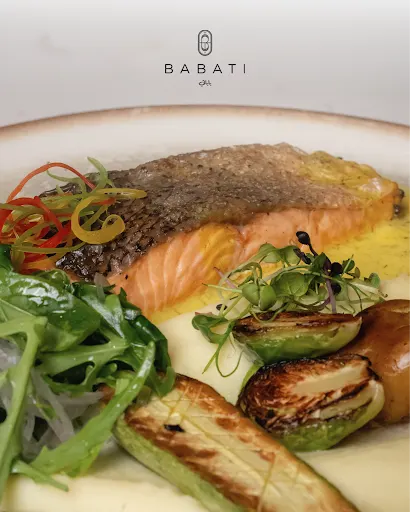
Lean fish and seafood supply high-quality protein, omega-3 fatty acids, and trace minerals such as selenium and iodine. Omega-3s lower inflammation and support brain and heart health. Grilled or baked with olive oil and herbs, they represent the Mediterranean emphasis on light preparation and heart-protective fats.
Fresh Herbs (Parsley, Mint, Coriander)
Fresh herbs provide vitamins A, C, and K, plus antioxidant phytonutrients. They elevate flavor without salt or fat, encouraging healthy, low-sodium meals. Mediterranean cooking relies on generous herbs—parsley in tabbouleh, mint in eggplant dishes—showing how vibrant greens bring both nutrition and aroma to balanced, wholesome plates.
Read More: Why Lebanese food in Dubai is a must-try | Top Lebanese dishes
How to Recognize a Truly Authentic Lebanese Restaurant in Dubai
Finding real Lebanese cuisine in Dubai means looking beyond the menu. A genuine spot relies on time-honored ingredients like tahina, za’atar, and pomegranate sauce, with lebanese dishes prepared using slow-roasting or hand-rolling techniques. Classic favorites such as hummus, kibbeh, and shawarma gain their rich flavors from these traditional methods, ensuring every bite reflects Lebanon’s culinary heritage.
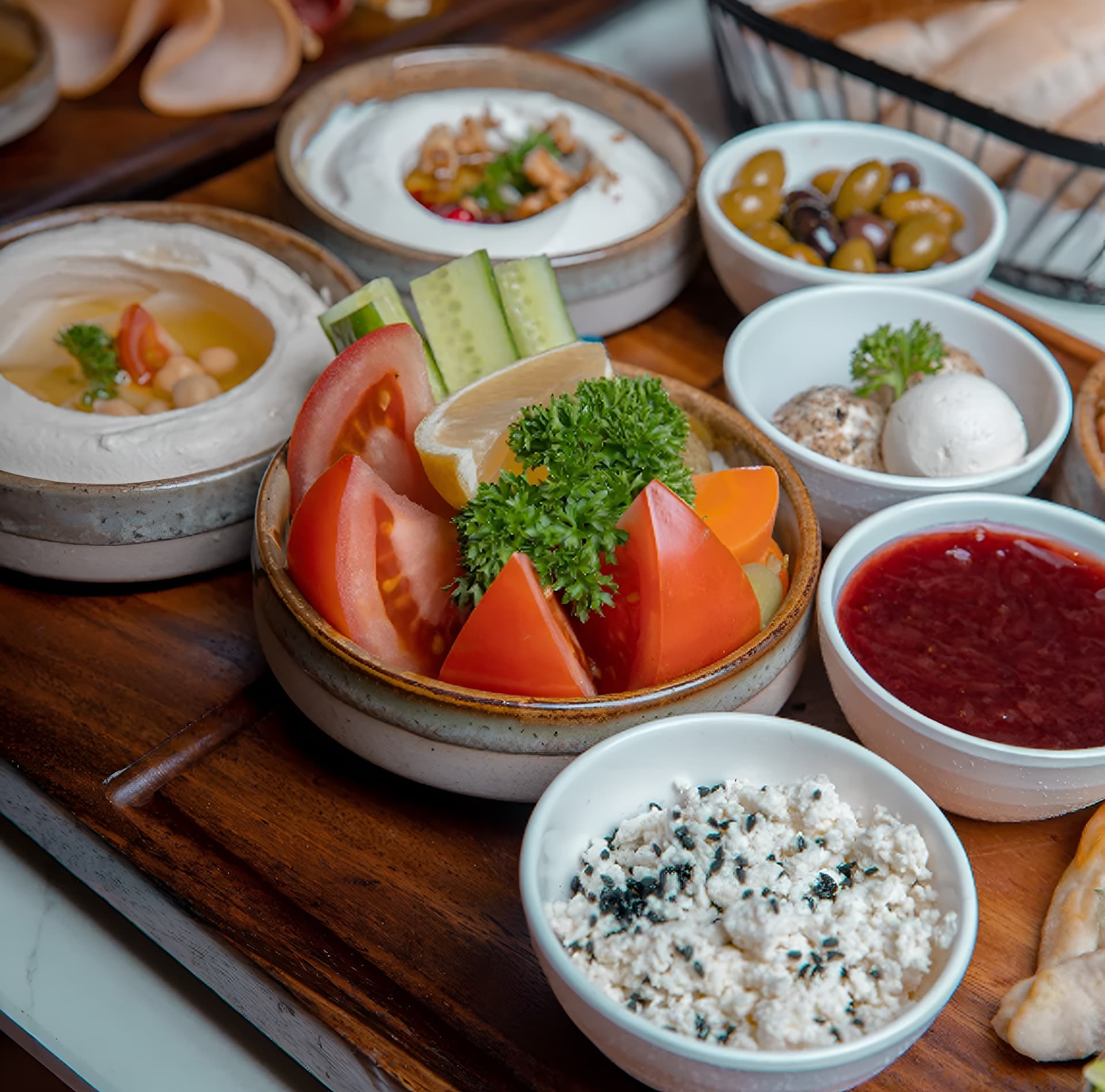
Authenticity also shows in the atmosphere and service. Expect a warm welcome, attentive staff, and décor that echoes Lebanese charm. Mezze platters, falafel, fattoush, and baklava are served fresh, showcasing the vibrant tastes and hospitality that define Lebanon’s celebrated dining culture.
Discover More: Lebanese Sweets for Special Occasions
Conclusion
Lebanese cuisine continues to thrive in Dubai because it delivers both flavor and wellness in every bite. Built on the principles of the Mediterranean diet, it highlights vegetables, legumes, lean proteins, and heart-healthy olive oil. These fresh ingredients and careful preparations create meals that are naturally rich in nutrients yet light and satisfying, making Lebanese food a perfect choice for anyone seeking a wholesome dining experience.
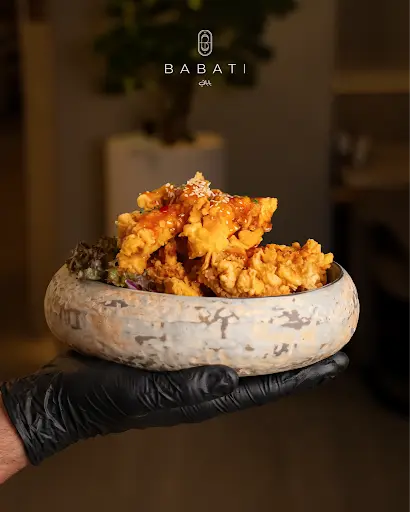
For those eager to taste authentic Lebanese cooking, Babati stands out as one of the best Lebanese restaurants in Dubai. Known for its balanced menu and vibrant atmosphere, Babati serves classic dishes such as hummus, tabbouleh, grilled meats, and freshly baked breads prepared with the finest ingredients. Whether you are looking for a healthy lunch, a relaxed evening meal, or a family gathering, Babati combines rich tradition with modern elegance. It is the ideal destination to enjoy the health benefits and unforgettable flavors of true Lebanese cuisine. Call us at +971 4 287 9544 to order or book your table today.
Frequently Asked Questions
What makes Lebanese cuisine in Dubai a healthy choice?
Lebanese cuisine emphasizes fresh vegetables, legumes, lean proteins, and olive oil. These nutrient-rich ingredients create balanced meals that are naturally low in saturated fat, supporting heart health, steady energy, and overall wellness without sacrificing flavor or variety.
Are vegetarian options easy to find in Lebanese food?
Yes, many classic dishes such as falafel, hummus, tabbouleh, and stuffed grape leaves are naturally vegetarian or vegan. These meals provide plenty of plant-based protein, fiber, and essential vitamins, making them ideal for a nourishing and satisfying dining experience.
How does Lebanese cooking maintain rich flavor with fewer calories?
Traditional recipes rely on aromatic spices like sumac, za’atar, and cumin rather than heavy creams or butter. Olive oil and citrus-based marinades add depth and zest, creating vibrant tastes that remain light, wholesome, and naturally low in calories.
What dishes are essential to try for a true Lebanese experience?
Favorites include creamy hummus, smoky baba ghanoush, fresh tabbouleh, grilled lamb or chicken, and sweet baklava. These signature plates highlight the cuisine’s balance of herbs, spices, and fresh ingredients, offering a complete picture of Lebanese culinary heritage.
Why is Babati recommended for Lebanese cuisine in Dubai?
Babati captures authentic Lebanese flavors with carefully sourced ingredients and traditional preparation methods. Guests enjoy vibrant mezze, grilled meats, and wholesome salads in a welcoming atmosphere, making it a top choice for a healthy and memorable dining experience.